|
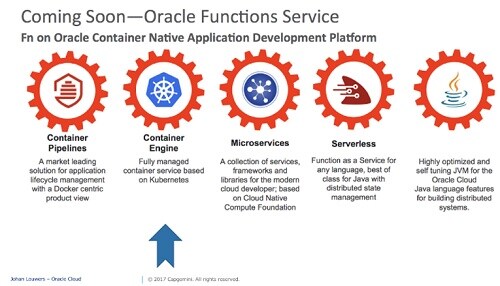
When moving to the cloud, and specifically when moving towards cloud-native applications, different design patterns apply when compared to the more traditional (on-premises) applications. All these cloud-native design patterns and principles have one common denominator – showing emphasis on scalability and function isolation.
Where traditional applications used to be developed as big monolith solutions housing a large set of functionalities, the more modern and cloud-native applications are a collection of isolated functions that together form the application. The benefit of the more isolated function design is that each function can be designed and developed in relative isolation from the other functions. The microservices paradigm supports this way of implementing systems by its prime design principles around both function isolation and scalability
In a system based on isolated functions, each function must interact with the others to support the system overarching functionality. Usually. no orchestration functionality is available in this architecture. Instead of a system overarching process engine to enable end-to-end functionality, a more choreography approach is used, where the functions themselves are responsible for the execution of a process. Additionally, each isolated function can be scaled up or down by adding more instances of a specific function if required. The need for isolated functionality and the ability to scale isolated functionality is driven by and helps fuel the adoption of microservices.
When developing microservices, you will have a rich set of options and almost every modern language provides solutions and functionality to develop microservices (polyglot approach). One of the most favored approaches at this moment is using Java with the support of Spring. Additionally, you see developers and enterprises moving to an approach where each microservice is deployed within a container for obvious reasons. Read the complete article here.
Back to top |
|