
- Revision History
- Overview
- Feature Summary
- Strategic Workforce Planning
-
- Strategic Workforce Planning
- Features
-
- New Consolidated EPM Cloud Accessibility Guide
- Support of Identity Cloud Service (IDCS) Groups in OCI (Gen 2) Environments
- New Version of Migration REST APIs
- New Version of REST APIS for Managing Users
- Direct Drill Support in Smart View
- Ability to Import Reports Background Color Into Excel Workbooks
- New Text Width Calculations Property for Text Cells, Text Boxes, and Note Boxes
- EPM Integration Agent Support for a SSL Connection to an Oracle Database
-
- IMPORTANT Actions and Considerations
This document will continue to evolve as existing sections change and new information is added. All updates appear in the following table:
| Date | Module | Feature | Notes |
|---|---|---|---|
| 29 NOV 2022 | Created initial document. |
 HAVE AN IDEA?
We’re here and we’re listening. If you have a suggestion on how to make our cloud services even better then go ahead and tell us. There are several ways to submit your ideas, for example, through the Ideas Lab on Oracle Customer Connect. Wherever you see this icon after the feature name it means we delivered one of your ideas.
GIVE US FEEDBACK
We welcome your comments and suggestions to improve the content. Please send us your feedback at oracle_fusion_applications_help_ww_grp@oracle.com.
DISCLAIMER
The information contained in this document may include statements about Oracle’s product development plans. Many factors can materially affect Oracle’s product development plans and the nature and timing of future product releases. Accordingly, this Information is provided to you solely for information only, is not a commitment to deliver any material, code, or functionality, and should not be relied upon in making purchasing decisions. The development, release, and timing of any features or functionality described remains at the sole discretion of Oracle.
This information may not be incorporated into any contractual agreement with Oracle or its subsidiaries or affiliates. Oracle specifically disclaims any liability with respect to this information. Refer to the Legal Notices and Terms of Use for further information.
Column Definitions:
Report = New or modified, Oracle-delivered, ready to run reports.
UI or Process-Based: Small Scale = These UI or process-based features are typically comprised of minor field, validation, or program changes. Therefore, the potential impact to users is minimal.
UI or Process-Based: Larger Scale* = These UI or process-based features have more complex designs. Therefore, the potential impact to users is higher.
Features Delivered Disabled = Action is needed BEFORE these features can be used by END USERS. These features are delivered disabled and you choose if and when to enable them. For example, a) new or expanded BI subject areas need to first be incorporated into reports, b) Integration is required to utilize new web services, or c) features must be assigned to user roles before they can be accessed.
| Ready for Use by End Users Reports plus Small Scale UI or Process-Based new features will have minimal user impact after an update. Therefore, customer acceptance testing should focus on the Larger Scale UI or Process-Based* new features. |
Customer Must Take Action before Use by End Users Not disruptive as action is required to make these features ready to use. As you selectively choose to leverage, you set your test and roll out timing. |
|||||
|---|---|---|---|---|---|---|
| Feature |
Report |
UI or |
UI or |
|
||
Support of Identity Cloud Service (IDCS) Groups in OCI (Gen 2) Environments |
||||||
Ability to Import Reports Background Color Into Excel Workbooks |
||||||
New Text Width Calculations Property for Text Cells, Text Boxes, and Note Boxes |
||||||
EPM Integration Agent Support for a SSL Connection to an Oracle Database |
||||||
Test Environments: Oracle will apply this monthly update during the first daily maintenance that occurs at or after 22:00 UTC on Friday, December 2, 2022.
Production Environments: Oracle will apply this monthly update during the first daily maintenance that occurs at or after 22:00 UTC on December 16, 2022.
NOTE: The monthly update will not be applied to any environment for which this monthly update is requested to be skipped using the EPM Automate skipUpdate command or service request to Oracle.
NOTE: Backing up the daily maintenance snapshot and restoring the environment as needed are self-service operations. Oracle strongly recommends that you download the maintenance snapshot every day to a local server.
The Oracle Help Center provides access to updated documentation. The updates will be available in the Help Center on Friday, December 2, 2022.
NOTE: Some of the links to new feature documentation included in this readiness document will not work until after the Oracle Help Center update is complete.
Documentation Updates Available One Week After Readiness Documents
Updated documentation is published on the Oracle Help Center on the first Friday of each month, coinciding with the monthly updates to Test environments. Because there is a one week lag between the publishing of the readiness documents (What's New and New Feature Summary) and Oracle Help Center updates, some links included in the readiness documents will not work until the Oracle Help Center update is complete.
https://docs.oracle.com/en/cloud/saas/epm-cloud/index.html
Fixed Issues and Considerations
Software issues addressed each month and considerations are posted to a knowledge article on My Oracle Support. Click here to review. You must have a My Oracle Support login to access the article.
NOTE: Fixed issues for EPM Cloud Common components (Smart View for Office, EPM Automate, REST API, Migration, Access Control, Data Management/Data Integration, Reports, Financial Reporting, and Calculation Manager) are available in a separate document on the My Oracle Support “Release Highlights” page.
This provides visibility into EPM Cloud release contents.
Give Us Documentation Feedback
We welcome your comments and suggestions to improve the content of the What's New document and the product documentation.
Please send us your feedback at EPMdoc_ww@oracle.com. In the body or title of the email, state that you are inquiring or providing feedback, and indicate for which EPM Cloud service and the monthly update cycle.
Please Join Oracle Cloud Customer Connect
Please take a moment to join the Cloud Customer Connect forums for EPM Cloud services. Oracle Cloud Customer Connect is a community gathering place for members to interact and collaborate on common goals and objectives. This is where you will find the latest release information, upcoming events, or answers to use-case questions. Joining takes just a few minutes. Join now!
https://cloud.oracle.com/community
NOTE: The Settings and Actions menu now contains a link to Cloud Customer Connect. To access this link, from the Home page, click the down arrow next to the user name (in the upper right-hand corner of the screen), and select Cloud Customer Connect.
Follow EPM Cloud on YouTube, Twitter, Facebook, and LinkedIn.
These are great resources for the latest updates and information about EPM Cloud.
New Consolidated EPM Cloud Accessibility Guide
Starting with this update, a new Oracle Enterprise Performance Management Cloud Accessibility Guide, which replaces the business process-specific accessibility guides, is available. This consolidated Accessibility Guide is the single source of accessibility information for all EPM Cloud business processes. Bookmarks to the current accessibility guides will redirect to this new guide.
Business Benefit: The consolidated Accessibility Guide helps you quickly find accessibility information for all EPM Cloud business processes and components.
Key Resources
Support of Identity Cloud Service (IDCS) Groups in OCI (Gen 2) Environments
Strategic Workforce Planning Cloud OCI (Gen 2) environments now support Identity Cloud Service (IDCS) groups. You can add individual users to an IDCS group and then assign predefined roles to that group.
NOTE:
The Role Assignment Report created from Access Control, EPM Automate, or REST API lists the predefined roles assigned to the users directly, even if they are assigned through IDCS groups.
When you clone an environment with the option to clone users and predefined roles, the cloned users on the target environment have the predefined roles assigned to them directly, even if they are assigned through IDCS groups.
Business Benefit:
Assigning predefined roles to an IDCS group removes the need to assign predefined roles to individual users. This simplifies the administration of predefined role assignment. Since IDCS groups can be synced with Identity Provider groups (such as MSAD groups), you can even add individual users to Identity Provider groups and assign the predefined roles to these groups in Identity Console.
Key Resources
- Getting Started Guide for Administrators
- Administering Migration for Oracle Enterprise Performance Management Cloud
- REST API for Oracle Enterprise Performance Management Cloud
New Version of Migration REST APIs
A new, simplified version of several Migration REST APIs has been released. This new version contains all parameters in the payload and does not require URL encoding while calling the REST APIs. The new version is backward compatible, so no changes are needed for existing REST APIs.
Previously, the new version applied to these REST APIs: Copy to Object Store (v2), Copy from Object Store(v2), Send Email (v2), Delete File (v2), Run Recreate on a Service (v2), Restart the Service (v2), List Files (v2), Copy a File Between Instances (v2), Copy Application Snapshot (v2), Run Daily Maintenance While Skipping the Scheduled Daily Maintenance (v2), Get the Build Version and Daily Maintenance Window Time (v2), Set the Daily Maintenance Window Time (v2), Manage Permission for Manual Access to Database (v2), Skip Updates (v2), Set Encryption Key (v2), Export Essbase Data (v2), LCM Import (v2), LCM Export (v2), Provide Feedback (v2), Rename Application Snapshot (v2), and Delete Files (v3).
Now, the new version applies to these additional REST APIs:
- Upload Application Snapshot (v2)
- Download Application Snapshot (v2)
Business Benefit: The new version of the REST APIs is easier to use, and does not require URL encoding.
Key Resources
-
Migration REST APIs in REST API for Oracle Enterprise Performance Management Cloud
Role And Privileges
- Service Administrators
New Version of REST APIS for Managing Users
A new, simplified version of several REST APIs to Manage Users has been released. This new version contains all parameters in the payload and does not require URL encoding while calling the REST APIs. The new version is backward compatible, so no changes are needed for existing REST APIs.
Previously, the new version applied to these REST APIs: User Access Report (v2) and User Audit Report (v2).
Now, the new version applies to these additional REST APIs:
- Add Users to a Group (v2)
- Remove Users from a Group (v2)
- Assign Users to a Predefined Role or Application Role (v2)
- Remove Users' Role Assignment (v2)
Business Benefit: The new version of the REST APIs is easier to use, and does not require URL encoding.
Key Resources
- Managing Users in REST API for Oracle Enterprise Performance Management Cloud
Role And Privileges
- Service Administrators
Direct Drill Support in Smart View
You can now use Smart View to perform a direct drill. When direct drill is configured and you drill from Smart View, the drill down data from the source system is displayed directly in a new Excel sheet.
To leverage this functionality, install the latest version of the Smart View client.
Business Benefit: You can now drill and view drill data directly in Excel.
Key Resources
- Using Direct Drill in Administering Data Integration for Oracle Enterprise Performance Management Cloud
Ability to Import Reports Background Color Into Excel Workbooks
When importing a report to Excel, the background color specified for the report in the Report Designer is now applied to the Excel worksheets.
Previously, background color was not imported with the report.
Business Benefit: By including background color when importing the report, users do not need to spend extra time applying background color in Excel.
Key Resources
- Importing and Working with Fully Formatted Reports in Working with Oracle Smart View for Office
- Working with Reports in Smart View, subtopic "Working with Download as Excel," in Working with Reports for Oracle Enterprise Performance Management Cloud
- Report Properties in Designing with Reports for Oracle Enterprise Performance Management Cloud
New Text Width Calculations Property for Text Cells, Text Boxes, and Note Boxes
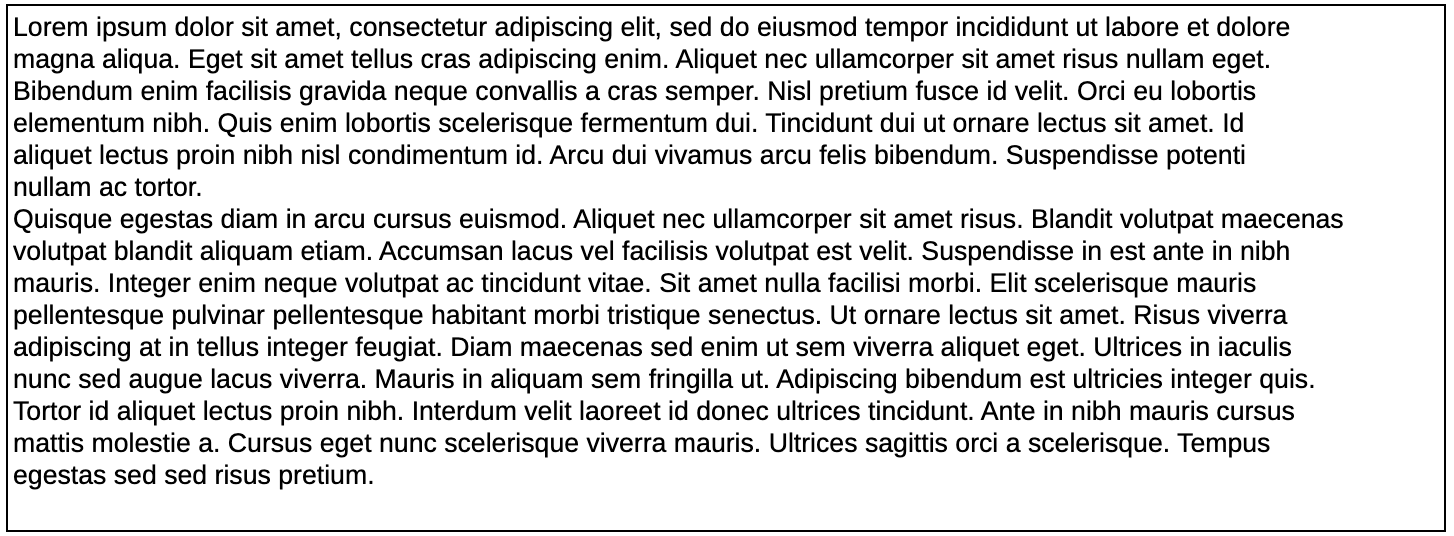
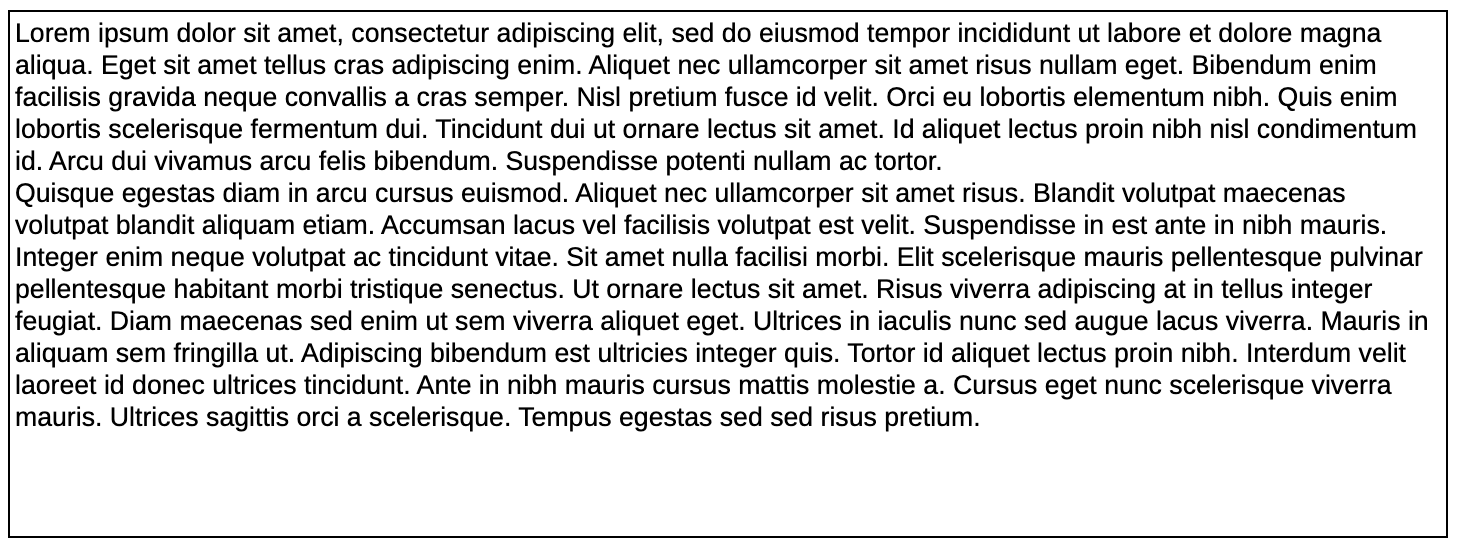
In Reports, a new Text Character Width property allows a designer to choose between more and less conservative sizing of text in text and heading cells in a grid, as well as text and Note objects. (Notes are in Narrative Reporting Deployment only)
- The property can be set for the entire grid, or for individual text or heading cells. The property does not have any effect on data or formula cells.
- The property can have a value of Large, Medium, or Small.
- By default, the property is set to Large.
For example:
Text Character Width = Large:
Text Character Width = Small:
Business Benefit: Improved control over text sizing in Reports.
Key Resources
- Using the Text Character Width Property in Designing with Reports for Oracle Enterprise Performance Management Cloud
EPM Integration Agent Support for a SSL Connection to an Oracle Database
The EPM Integration Agent now supports a SSL (Secure Sockets Layer) connection to an Oracle database.
To use a SSL connection to an Oracle database, customers need to set the JDBC URL in Application options and define custom JAVA properties in the EPM Integration Agent INI file.
Business Benefit: The SSL (Secure Sockets Layer) protocol provides network-level authentication, data encryption, and data integrity.
Key Resources
- Configuring an SSL Connection to an Oracle Database in Administering Data Integration for Oracle Enterprise Performance Management Cloud
IMPORTANT Actions and Considerations
One-Week Lag Between Readiness Documents Live and Help Center Live
Because Oracle readiness documents (What's New and New Feature Summary) are live one week before the monthly update is applied to Test environments, some links to documentation included in the readiness documents will not work until after the Oracle Help Center update is complete when the monthly update is applied to Test environments.
EPM Cloud Classic to OCI (Gen 2) Migration for Commercial Data Centers Has Started
One of Oracle's latest advancements, Oracle Cloud Infrastructure (OCI), is the foundation of Oracle's second generation cloud. OCI, a purpose-built, best-in-class platform for running enterprise applications, is engineered from the ground up to run mission-critical databases, workloads, and applications while providing end-to-end security. Oracle's data centers around the globe are standardizing on the new OCI architecture which delivers even greater performance and reliability. There are a lot of Strategic Workforce Planning Cloud features that are available only in OCI. See Features Available only in OCI EPM Cloud Environments in Getting Started with Oracle Enterprise Performance Management Cloud for Administrators.
Over time, Oracle plans to migrate Strategic Workforce Planning Cloud environments currently hosted in Classic commercial data centers to OCI. Two migration options are available:
If you opt for Oracle-managed migration, you don’t have to do anything at this time. Oracle-managed migrations are targeted to start around April, 2023, and last until the end of 2023.
If you plan to use Customer-managed migration, you should start this process as soon as possible.
NOTE: At this time, the environments hosted in US-Gov and UK-Gov data centers are not eligible for migration to OCI.
Key Resources:
- Get More information about EPM Cloud Classic to OCI (Gen 2) Migration
- Features Available only in OCI EPM Cloud Environments
Disallow Starting Certain Scheduled Jobs During the Daily Maintenance Process
Starting in 23.03, to prevent automatic backup from failure due to scheduled jobs, the system will disallow certain scheduled jobs to start while the daily maintenance process is running.
The following jobs will be prevented from starting during the daily maintenance:
- Import Data
- Import Metadata
- Export Data
- Export Metadata
- Refresh Database
- Clear Cube
- Restructure Cube
- Compact Outline
- Merge Data Slices
- Optimize Aggregation
If the system prevents a job from starting, the reason will be stated in the Job Details. If you've enabled email notifications for the Job Console, you'll receive a mail notification when a job does not start. If you have a job that is scheduled to start during the daily maintenance process, it is recommended that you reschedule your job to start outside of the daily maintenance window.
Calculation Manager Errors and Warnings Enforcement
In a future update, Calculation Manager will enforce the execution of the Errors & Warnings diagnostic tool for any rule being launched, validated, or deployed from it. If there are errors that result from this new process, Calculation Manager will not execute, validate, or deploy the rule. This new process will apply to all new applications once released. Existing applications will have a finite period of time to bypass this new process to allow you to modify the rules that violate the new Errors & Warnings diagnostic analysis. In all cases, existing rules that are already deployed will continue to run as-is without any change in behavior.
Valid Intersection and Cell-level Security Import & Export File Format Update
In a future update, both Valid Intersection and Cell-level Security Import and Export files in .XLSX format will include new columns for each dimension in the Sub Rules worksheet. These new columns to support excluding all instances of members by name will apply to each dimension and will be positioned after each dimension’s “Exclusion” column. If you use these exported files for integration with other systems and the order of columns is fixed, you may need to modify your process to account for these new columns in these export files. The release of these new columns will coincide with the planned release of this enhancement for Valid Intersections and Cell-Level Security.
Change in Behavior for Grids Created from Groovy and REST APIs for ASO Cubes
In a future update, the suppression behavior for grids created via Groovy DataGridDefinitionBuilder and the exportdataslice REST API for ASO cubes will be made consistent with that of the run time data grids created using the Form Designer. Previously, if a grid was built for an ASO cube in Groovy or REST API, then the system used the NON EMPTY MDX clause to suppress missing rows when the suppressMissingBlocks flag was true. Now, when a grid is built for an ASO cube, it will use the NON EMPTY MDX clause when suppressMissingRows is true, and suppressMissingBlocks will be ignored. This means that ASO grids with suppressMissingRows true and suppressMissingBlocks false will now start using MDX. Likewise, ASO grids with suppressMissingRows false and suppressMissingBlocks true will no longer use MDX. Grids where the suppressMissingRows and suppressMissingBlocks flags had the same value will not be impacted. These changes may result in a change in behavior or performance for some ASO grids. If this happens and is undesirable, consider toggling the value of suppressMissingRows from the builder or the JSON payload in case of the REST API.
Mandatory Steps Required to Make the Explore Repository Artifacts Accessible to Users
Prior to the 22.07 update, Strategic Workforce Planning used the WORLD pre-seeded group to grant access to Explore Repository artifacts such as reports and folders. Starting with the 22.07 update, the WORLD group was removed. If you previously used the WORLD group to grant access to repository artifacts, complete these steps to ensure that users can access Repository artifacts:
- Create a group in Access Control with all Strategic Workforce Planning Cloud users as its members.
- In Explore Repository, grant access privileges to the group you created in the preceding step.
For detailed steps, see Granting Access Permissions to Document Repository Users in Working with Financial Reporting for Oracle Enterprise Performance Management Cloud.
Rolling Back Changes Made to Page Title Display for Horizontal tabs
Starting in the July (22.07) update, we have rolled back changes made in the April (22.04) update to the page title for horizontal tabs. The change was to not display the page title in horizontal tabs while using the Redwood Theme. From the feedback received on this change, we've decided to roll it back.
Alerts Cannot be Migrated to Prior Version
Due to a major upgrade in Alert functionality, any service that has defined Alert Types will not be able to migrate them or the Alerts that are based on them from the 22.04 update to an earlier update. This normally happens if artifacts are moved from Test to Production during the two week period when Test is upgraded to the 22.04 update while Production is still on the 22.03 update. All other objects in the migration are not affected.
Task Manager Email Notification Settings
Starting in the 22.04 update, the service changed the handling of Task Manager’s Email Notification settings during a migration. The target service’s Task Manager Email Notification settings were updated with the settings from the source service. If a customer wants to retain the target service’s Task Manager Notification settings, they can generate an LCM export with the notification settings from the target service, perform the source migration, then import the LCM file with the notification settings.
See LCM Export and LCM Import in REST API for Oracle Performance Management Cloud.
Date Format when Using the EPM Digital Assistant
When using the EPM Digital Assistant, note that the Date format is not taken from User Preferences, and the assistant does not ask which format to use for the date. The assistant attempts to detect the date format based on the user locale set in the browser and other common formats.
Internet Explorer 11 End of Support and Smart View
Microsoft has announced end of support of Internet Explorer 11 by June 15, 2022.
Do not uninstall Microsoft Internet Explorer, even after the end-of support date of June 15, 2022. Instead, you may securely disable Internet Explorer following Microsoft’s guidelines. In situations where the Internet Explorer browser would be called, the Edge browser will be launched instead.
Oracle Smart View for Office does not require the Internet Explorer browser specifically. However, Smart View depends on Windows components (for example, WinInet APIs) that may have dependencies on Internet Explorer. Microsoft recommends keeping Internet Explorer installed on the machine since uninstalling may cause other applications that are dependent on it to work incorrectly. Microsoft also recommends updating to the latest security patches as they become available.
For more information, Oracle Support Document 2877741.1 (Impact on Smart view with Microsoft decommissioning Internet Explorer 11 on June 15, 2022) can be found at: https://support.oracle.com/epmos/faces/DocumentDisplay?id=2877741.1.
Data Maps with Mapping or Cross Applications
Data Maps with mapping or cross applications are not supported in this update. If the Data Map has mapping or is a cross application, it needs to be attached to a form or included in the Groovy rule and run as a Smart Push.
Updated Smart View Browser Extension Required for Chrome and Edge
An updated Smart View browser extension for Google Chrome and Microsoft Edge is available. This extension is required for Oracle Smart View for Office to interact with supported browser-based Strategic Workforce Planning Cloud business processes in these ways:
- Starting in a form or ad hoc grid in Smart View, use drill-through to launch an application web page in a browser.
- Starting in a web application, launch a form or ad hoc grid in Smart View for Excel.
- Starting in a Task List in Smart View, opening a task in a browser.
This update is required only if your default browser is Chrome or Edge. If your default browser is Mozilla Firefox, then this update does not affect you.
The extension is available in the Chrome Web Store from either the Chrome or Edge browser. In the Chrome Web Store, search for "smart view" to locate the extension update. the version number is 22.200. Then follow the instructions for Google Chrome or Microsoft Edge in Installing Browser Add-ons in the Oracle Smart View for Office Installation and Configuration Guide.
Note that after January 1, 2023, the current browser extension will no longer work with Chrome or Edge. You must update your extension by that date in order to continue interactions between Smart View and browser-based business processes in Strategic Workforce Planning Cloud.
Office 365 Add-ins Command Change by Microsoft to Impact Buttons in Smart View (Mac and Browser)
To improve security in Office Add-ins, Microsoft Office 365 will be making changes to its ExecuteFunction add-in command from October 30, 2022. Since Smart View for Office (Mac and Browser) uses this command in its ribbon buttons and menus, some buttons may stop working from October 30. For example, buttons such as Undo, Redo, or Refresh on the Smart View and provider ribbons. This issue is resolved in the latest Smart View update of 22.11. As the changes are limited to server update, you are not required to create and deploy a new manifest file again for resolving this issue.
For more information on Microsoft’s announcement, see Announcing changes to Office Add-ins’ ExecuteFunction commands.
Oracle Financial Reporting Statement of Direction
Please refer to the Statement of Direction for Oracle Financial Reporting:
Oracle Support Document 2910806.1 (EPM Cloud Financial Reporting Statement of Direction)