
Philanthropy
Modern and forward leaning
The same solution-oriented spirit that fuels our business success also drives our philanthropy. We support nonprofit organizations that achieve transformational impact in the areas of education, health, community, and the environment. Our own nonprofit foundations focus on children and young people.

Oracle Giving
Giving for the greater good
For more than three decades, our philanthropy has helped advance education, promote health, strengthen communities, and protect the environment. Today, we continue to evolve that commitment—supporting the communities where we live and work, including those connected to our AI data center footprint.
We invest in organizations and initiatives that bring bold ideas and lasting solutions to life, from STEAM education and environmental stewardship to programs that support veterans, families, and underserved populations. Together, we’re helping build a brighter future for all.
FY26 impact at a glance
-

US$29Mdonated
-

2,700nonprofits supported
-

50 countrieswhere we support causes
Building knowledge and skills
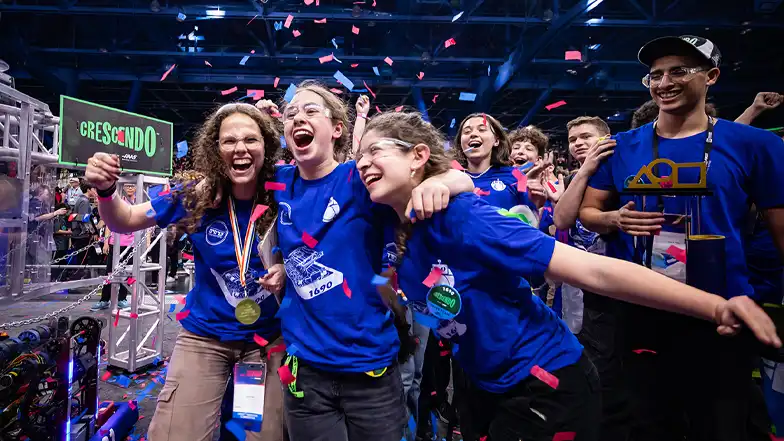
Our education grants fund transformative learning experiences. We help students develop strong foundations in technology and build the skills they need to succeed in school, careers, and beyond. We support programs that teach students coding, physical computing, and robotics with FIRST and Raspberry Pi. We advance STEAM education for girls with Going to School, Technovation, Akili Dada, Girlstart, and Latinitas. And, with Junior Achievement, The King’s Trust, and Instituto PROA, we’re making sure young people receive the training and industry mentorship they need to become career ready.
Supporting care and well-being
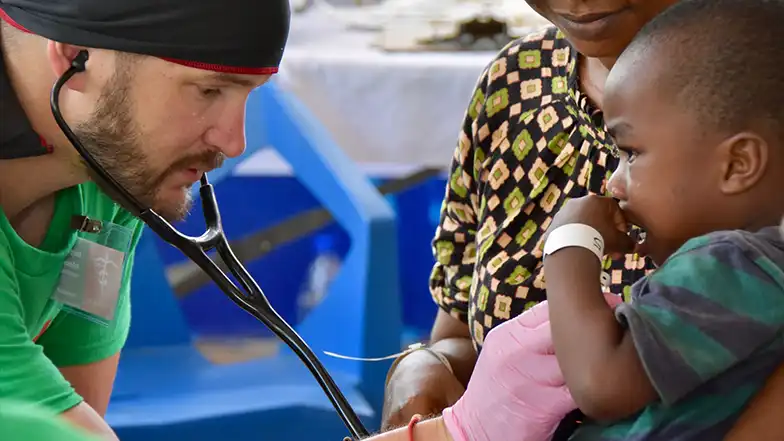
Our health grants support organizations that support personal health literacy, expand access to care, and deliver critical equipment and medication. Through support for World Telehealth Initiative, Project C.U.R.E., and Riders for Health, we bring treatment to under-resourced communities and healthcare facilities—including lifesaving vaccines and technology that enables remote access to medical expertise when and where it’s needed most. We also support organizations such as NashvilleHealth in their efforts to advance data-driven care for underserved populations. In India, our grants to Sambhav Foundation and Swades Foundation help expand access to clean water, sanitation, and hygiene services for children and families countrywide.
Protecting the natural world and wildlife
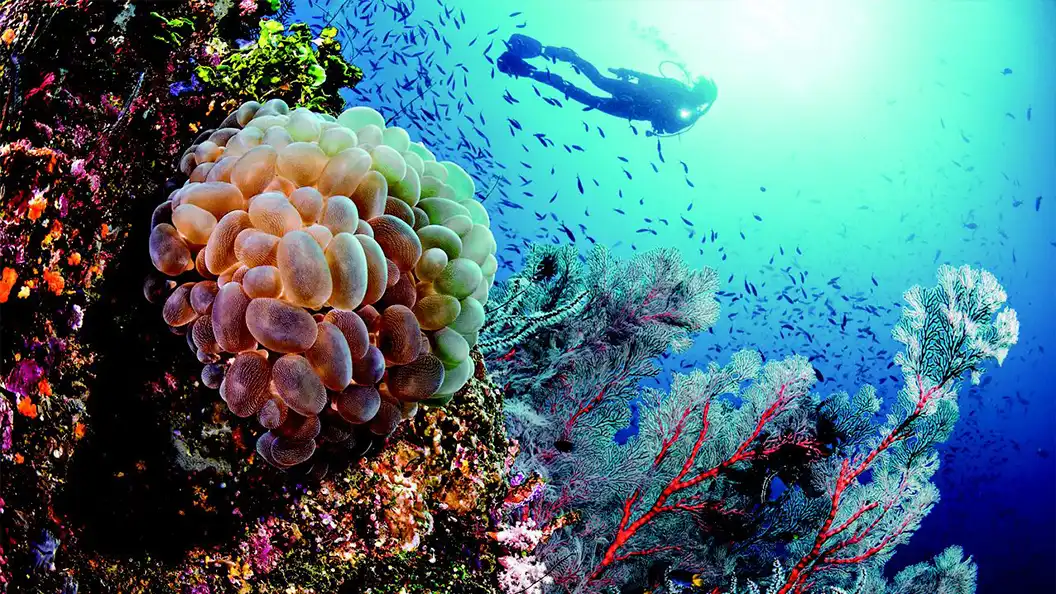
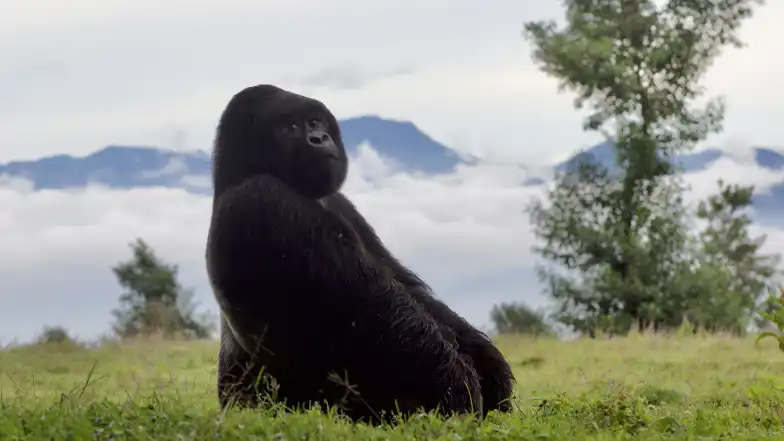
For more than 30 years, our environment grants have advanced biodiversity protection, ecological research, and environmental literacy. Support for National Geographic Society’s Pristine Seas is helping establish marine protected areas worldwide, and our grant to The Marine Mammal Center delivers lifesaving care to injured marine mammals. On land, we’re restoring California’s ancient forests with Save the Redwoods League, protecting endangered gorilla populations with the Dian Fossey Gorilla Fund, and supporting clean air and water through partners such as the Well Done Foundation and the Cumberland River Compact. To inspire the next generation of conservationists, we also fund environmental education programs, including Keep Austin Beautiful and NatureBridge.
Helping each other thrive
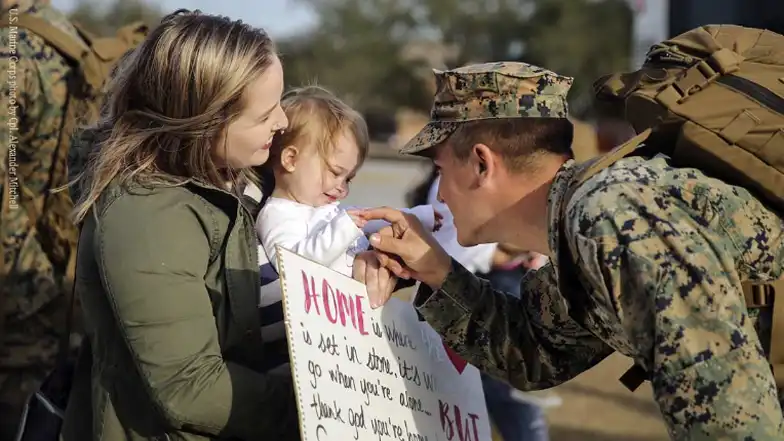
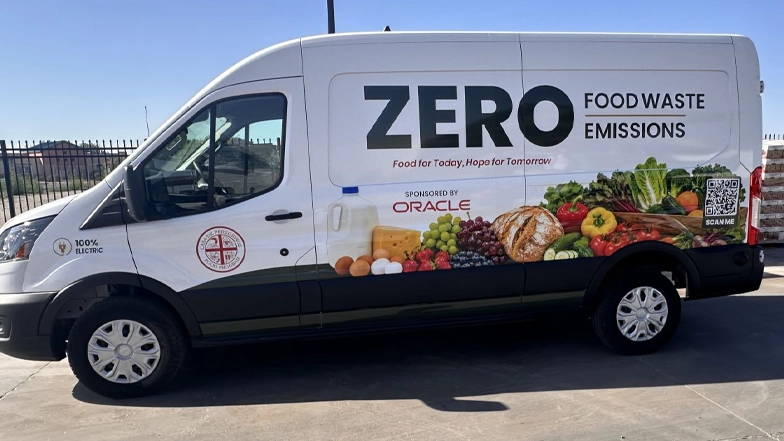
Our community grants fund a range of vital services that foster resilience and connection and offer hope and stability to those who need it most. Around the world, we’re building food security through partnerships with local food banks, mobile pantries, and community kitchens, including The Nashville Food Project, the Food Bank of West Central Texas, Second Harvest of Silicon Valley, Casa de Peregrinos, and Roadrunner Food Bank. Our support for LifeMoves, LifeWorks, Safe Haven Family Shelter, and Foundation Communities brings affordable housing to people experiencing instability, and our grants to the VFW Foundation and the Elizabeth Dole Foundation enable supportive services for veterans and military families.
AI data center communities
Each AI data center is designed with the surrounding communities’ future in mind. Through philanthropic investments in local nonprofit organizations, support for educational institutions, and community partnerships, we’re committed to ensuring that our neighbors share in our success.
Grant portfolio
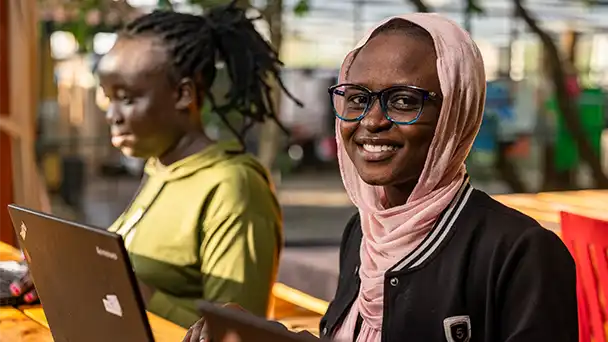
When it comes to philanthropy, we don't wait for the right people to find us. We actively seek out nonprofit and social impact organizations that are advancing bold, modern solutions to some of the most pressing challenges facing humanity today.
Oracle Health Foundation
Building healthier tomorrows
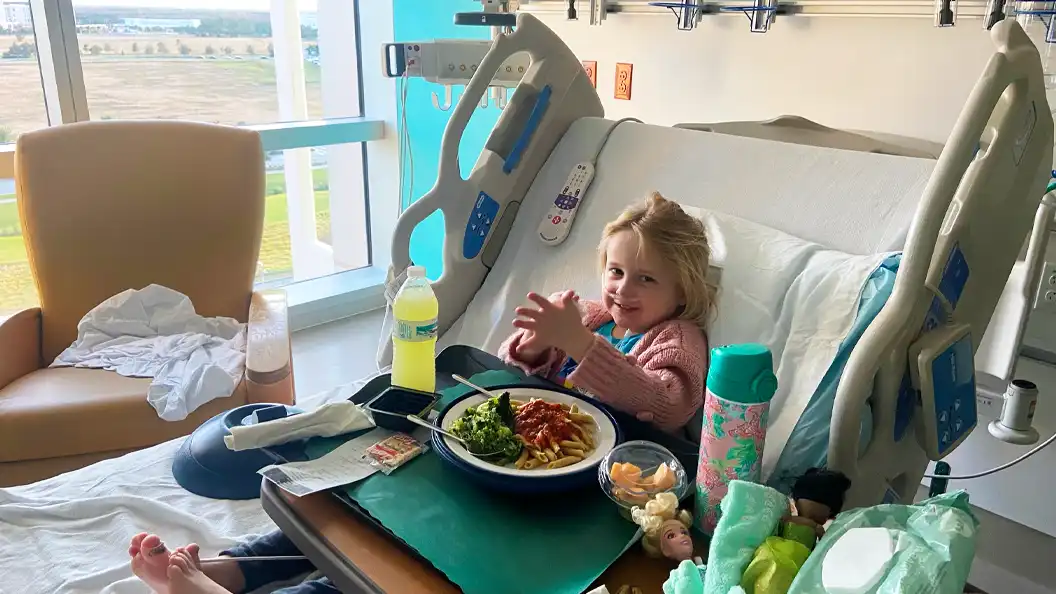
Oracle Health Foundation, a nonprofit funded by Oracle and staffed by Oracle employees, helps children get the healthcare they need, no matter their life circumstances. The Foundation makes pediatric case grants globally for medicine, surgeries, travel, and equipment.
FY26 impact at a glance
-
US$2.5Mdonated in pediatric grants
-

1,145children supported by pediatric grants
-
23countries where grant recipients live
Life-changing and lifesaving grants
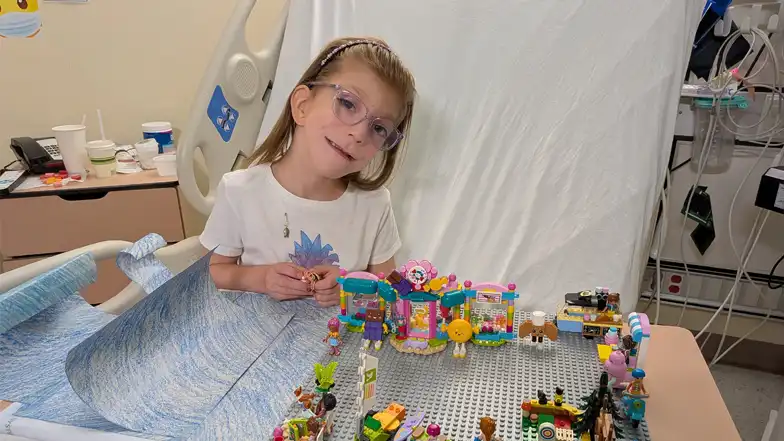
Our pediatric case grants provide funding for children to receive the healthcare they need. From lifesaving organ transplants to wheelchairs, hearing aids, and eyeglasses, our grants help children access essential care and resources so they can reach their full health potential.
Olive’s story
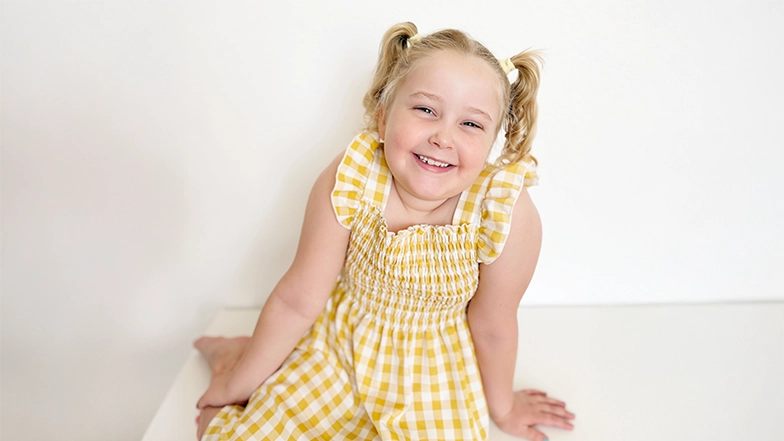
For many children, eating birthday cake and sharing snacks are moments they never have to think twice about. For eight-year-old Olive, who lives with severe allergies to dairy, eggs, and peanuts, those moments have meant constant vigilance—and multiple life-threatening reactions requiring hospitalization for anaphylaxis. With a grant from Oracle Health Foundation, Olive is receiving specialized treatment at the Southern California Food Allergy Institute, aimed at reducing, and one day eliminating, her allergic reactions. For her family, it’s hope for a childhood defined by possibilities rather than limitations.
Wayne’s story
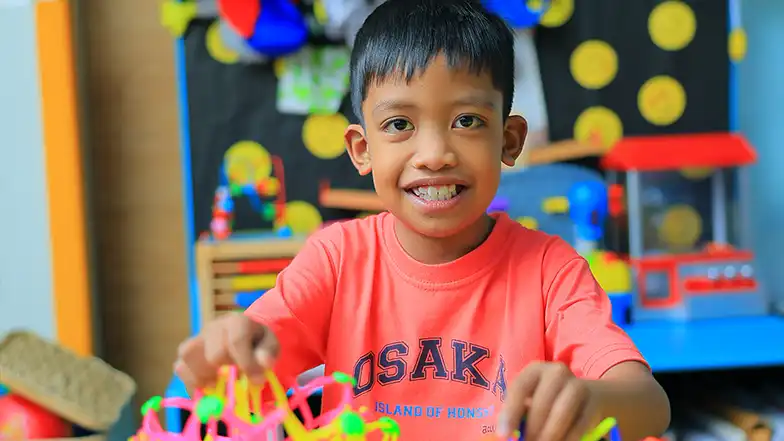
Every child deserves a healthy childhood filled with playing, learning, and dreaming. For Wayne, an eight-year-old boy in the Philippines, achieving that has required extraordinary strength. Diagnosed with congenital heart disease as an infant, he underwent three heart surgeries before he turned six. When his doctors recommended a fourth and final operation, financial barriers put it out of reach. Through a partnership with the Philippine Heart Center, Oracle Health Foundation provided a pediatric grant covering Wayne’s open-heart surgery. We’re honored to have played a part in giving him what every child deserves: a full and healthy childhood.
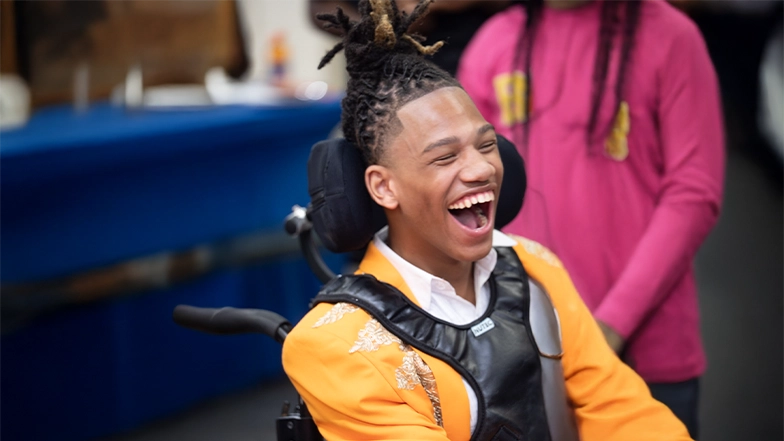
De’Michael’s story
There’s a first bike ride in De’Michael’s future—and it’s coming soon. The 16-year-old from Georgia lives with cerebral palsy, which causes motor impairments—low muscle tone, limited mobility, and impaired trunk and head control—that make riding a traditional bicycle unsafe. In December 2025, Oracle Health Foundation approved a grant for an adaptive bicycle designed around De’Michael’s needs. Each ride will help him build strength, improve range of motion, and manage spasticity while giving him something every teenager craves: independence. His first ride is going to be a good one.
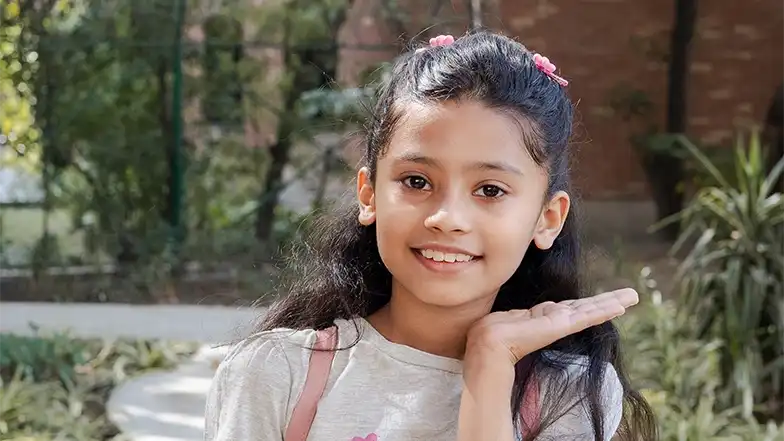
Fatima’s story
Healing takes time, and Fatima’s has begun. The 12-year-old from Pakistan suffered severe burns to her legs, feet, and lower body in a scalding accident—injuries requiring far more than a single procedure to treat. In September 2025, through a partnership with The House of Charity, Oracle Health Foundation approved a grant covering Fatima’s comprehensive burn care: a three-stage skin graft procedure, ongoing wound treatment, and rehabilitation. Step by step, procedure by procedure, Fatima is on her way back—to school, to friends, to being 12.
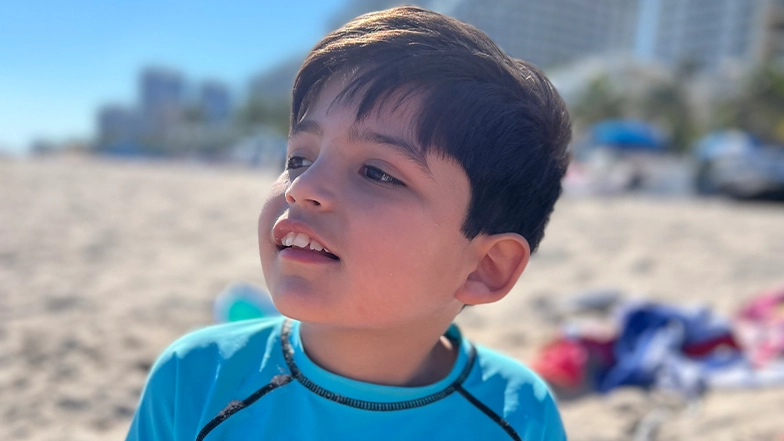
Rafael’s story
Some words change everything—and for Rafael’s family, “your son has STXBP1 syndrome” were among them. The rare neurodevelopmental disorder affects nearly every part of the eight-year-old North Carolinian’s daily life, causing severe developmental delays, epilepsy, and challenges with muscle tone and movement. In April 2026, Oracle Health Foundation approved a grant to provide Rafael with an adaptive tricycle—a source of strength, balance, and coordination that lets him join in therapeutic and recreational activities safely. For a boy whose diagnosis is rare, the joy of pedaling alongside other kids is wonderfully ordinary.
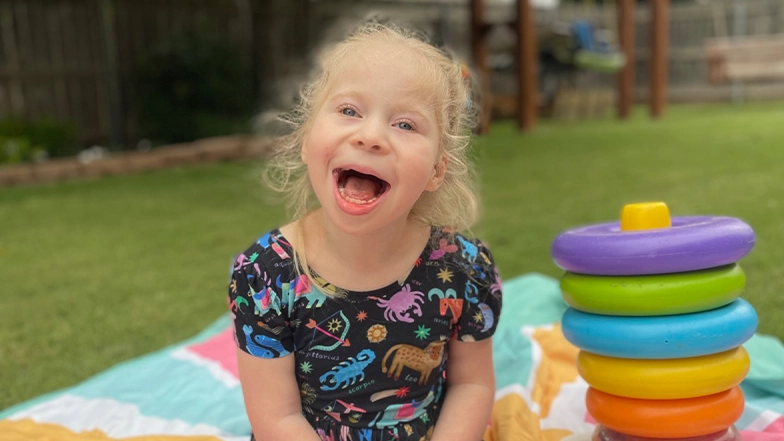
Sophia’s story
Sophia has a goal: to walk on her own. It’s a big one for the seven-year-old from Oklahoma, who lives with duplication of chromosome 12p—a rare genetic condition that significantly affects her development and means she can’t yet walk without support. In January 2026, a grant from Oracle Health Foundation provided Sophia with a gait trainer, giving her the stability to practice safely while building the strength and mobility to walk on her own. Every day she uses it, she inches a little closer to that goal. And, when Sophia takes those first independent steps, they’ll be entirely her own.
Thomas’s story
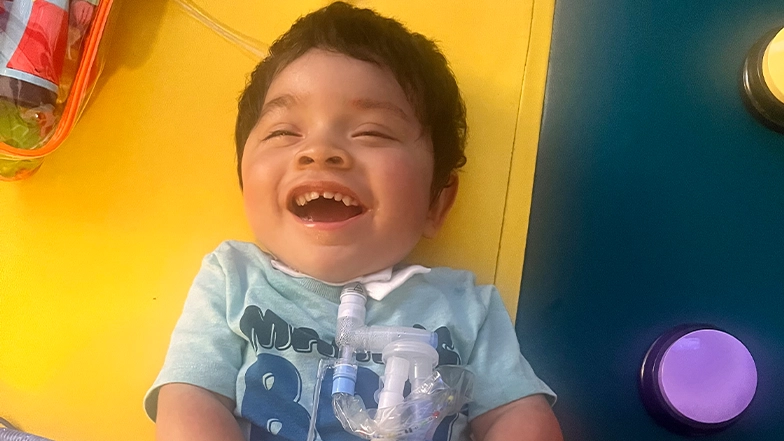
At three years old, Thomas is in a very important stretch of his development. Diagnosed with cerebral palsy and chronic respiratory failure, the California toddler depends on physical and occupational therapy to build mobility. When his family lost insurance coverage, that care came to a halt. In June 2026, Oracle Health Foundation approved a grant for intensive physical and occupational therapy, putting Thomas back to work on mobility and weight-bearing skills. Because at three, progress can’t wait—and now it doesn’t have to.
Oracle Education Foundation
The future in progress
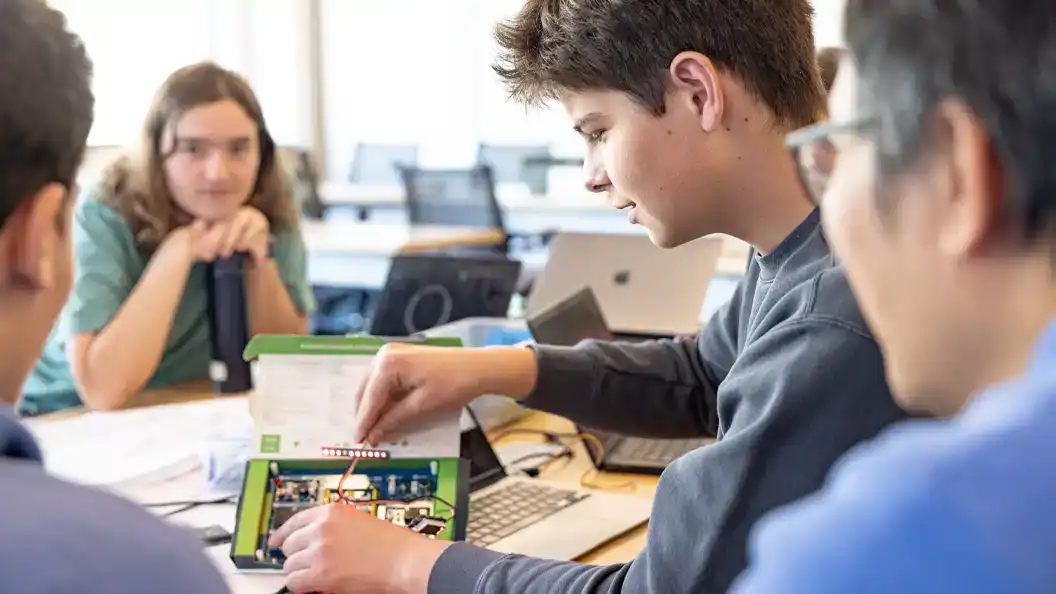
Oracle Education Foundation, a nonprofit funded by Oracle and staffed by Oracle employees, teaches young people how to innovate, solve problems with technology, and shape a better future. The Foundation delivers classes at the intersection of design thinking, futures thinking, coding, and physical computing, led by Foundation instructors and coached by Oracle Volunteers.
2026 impact at a glance
-

738student innovators enrolled in Foundation classes
-

17,882student hours spent learning to design, code, and create
-

5,774Oracle Volunteer hours donated to help students learn
2014 to 2026 impact
-
4,849student innovators enrolled in Foundation classes
-
111,735student hours spent learning to design, code, and create
-
44,174Oracle Volunteer hours donated to help students learn
Supporting circular creativity
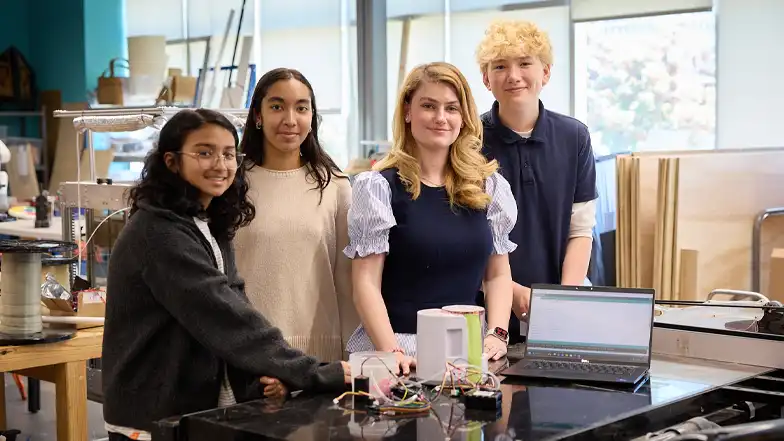
For artists, makers, and creators, sustainability can start with a simple idea: taking better care of the tools they use daily. This concept inspired one group of Design Tech High School (d.tech) students to create Brush Hour, a one-touch brush-cleaning machine designed to quickly and automatically clean makeup and paint brushes. Built using design thinking, physical hardware, and coding, Brush Hour makes cleanup faster, easier, and more consistent. The project uses creativity to promote a circular economy, helping extend the life of tools, reduce waste, and make sustainable habits easier to practice.
Personalizing career exploration
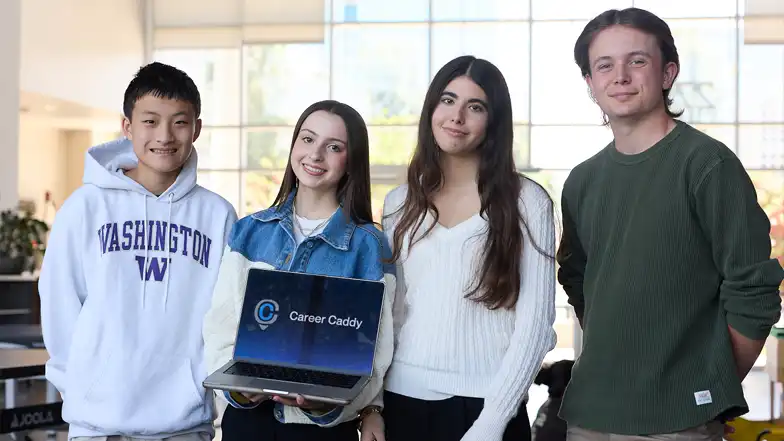
As the frontier of work continues to expand, students need more than exposure to career options—they need accessible, personalized ways to understand where their interests, skills, and aspirations can lead. This empathy-driven use case resulted in Career Caddy, an AI-powered application built by d.tech students to make career exploration more intuitive, personalized, and actionable. Through features such as a questionnaire on skills and interests, curated career matching, and an interactive opportunity map, the app helps personalize career exploration, boost students’ confidence, and expand their horizons.
Exploring nature through intelligent discovery
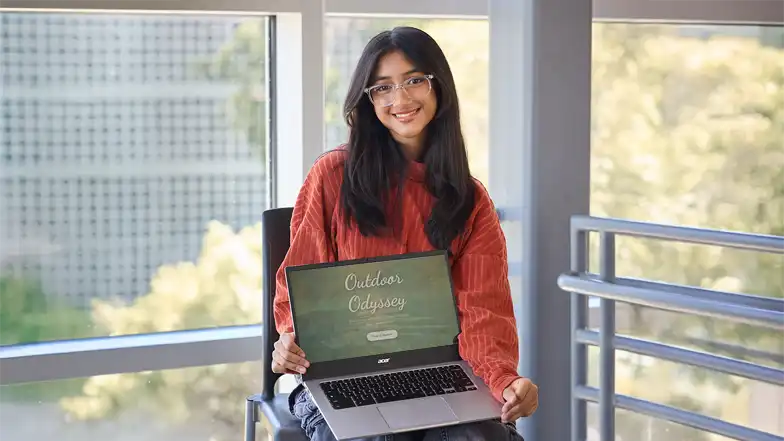
Spending time in nature supports well-being, reduces stress, and helps people feel more connected to the world around them. By creating Outdoor Odyssey, one d.tech student leveraged technology to help people get outside, explore new environments, and learn along the way. The gamified, AI-powered application encourages users to visit beaches, mountains, forests, and residential areas, then use the app’s image identification tools to scan local species of plants and wildlife, collect points, level up, and discover fun facts about the natural world. By combining outdoor exploration with game-based motivation, Outdoor Odyssey makes time in nature feel even more engaging and educational.
Learning the language of connection
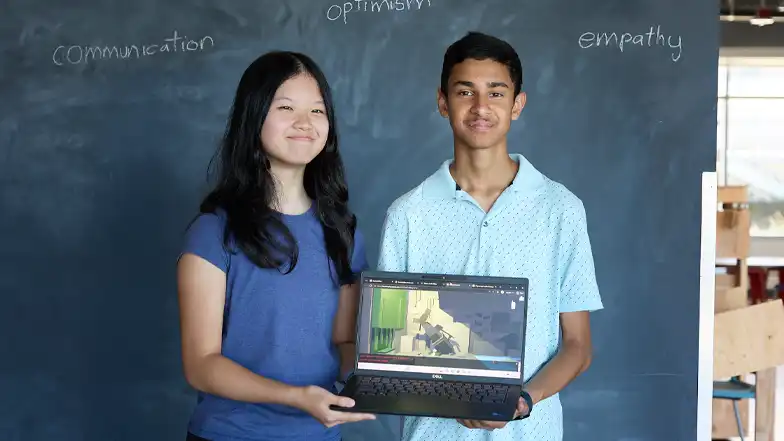
Understanding often begins with empathy and listening. Roots, created by two d.tech students, is a 2D puzzle platform set in an imagined future where interspecies communication is possible. Players explore unfamiliar landscapes and ecosystems, uncover hidden clues, and learn from the perspectives of the creatures they encounter. The student designers brought this future world to life by developing the story, characters, animations, artwork, and interactive environments. They also created a first-level demo, built game transitions, and designed blended cutscenes to guide the experience. Roots is an example of how technology, creativity, and storytelling can deepen our understanding of nature and help us envision better possible futures.
Thoughtful design for tailored feedback
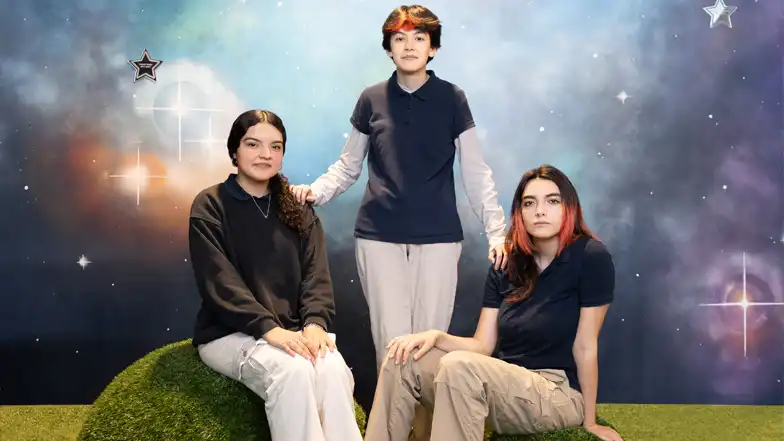
At the Ann Richards School for Young Women Leaders, ninth-grade engineering design students explored how art and AI can be used to meet practical needs in their school community. Working in teams, each group trained a computer vision model to recognize whether or not a specific element of clothing—such as shoes, shirts, pants, or skirts—met school uniform guidelines. When someone steps into view, the system uses AI image detection to analyze the selected dress code element and provide supportive, school-appropriate feedback. The project challenged students to consider how thoughtful design and emerging technologies can deliver objective, consistent, and clear communication.
Learning the physics of play
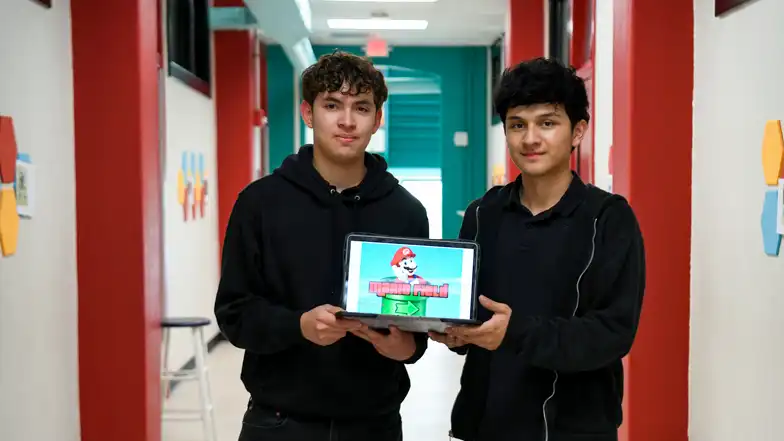
Games become more immersive when they reflect the same physical forces that shape the real world. At Guadalupe Centers High School, students designed and built their own video games while applying physics concepts to create realistic, interactive experiences. One student team recreated their favorite game as a two-player experience where players drive cars to push a ball into a goal, combining the strategy of soccer with the dynamics of vehicle movement. To bring the game to life, the team applied the principles of velocity, acceleration, momentum, friction, mass, and collision response, carefully programming how the cars move, how the ball reacts to impact, and how objects interact within the environment. Through the project, students transformed scientific concepts into playable experiences, discovering how applied physics can shape movement, realism, and the way players engage with digital worlds.
Design Tech High School
Developing people who make the world a better place
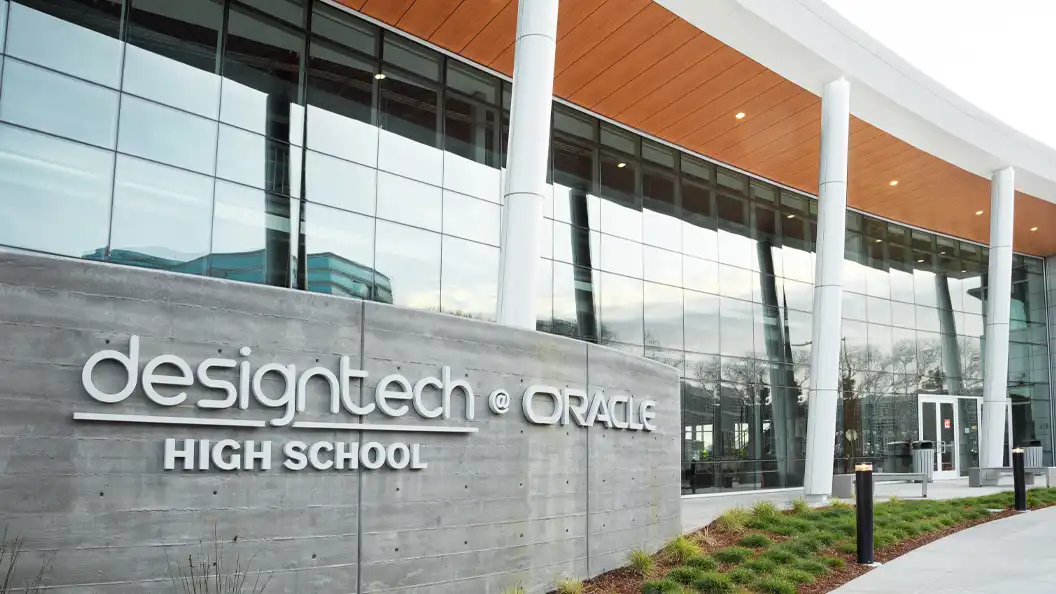
Design Tech High School (d.tech) is a California public charter school located on our Redwood Shores campus. The school's revolutionary educational model helps prepare students not just for the next four years of college but for the next forty years of their lives and careers. When we began engaging with d.tech in 2014, the one thing the school didn't have was the stability of a permanent home. Recognizing d.tech's enormous potential, we built a facility for the school on our Silicon Valley campus.
2026 impact at a glance
-

98%graduation rate
-

90%college admission rate
-

97%college persistence rate
Redefining the purpose of school
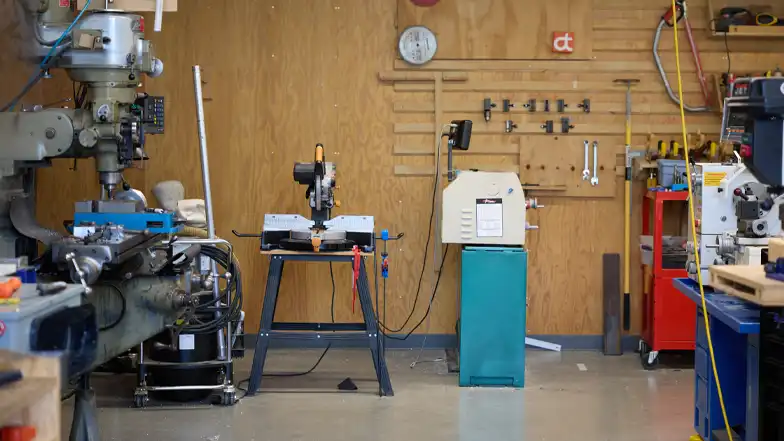
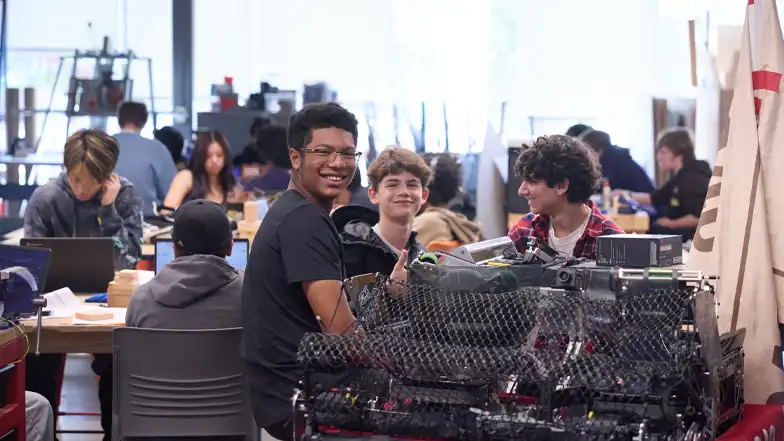
Design Tech High School’s model goes far beyond test scores and mastery of academic subjects. It emphasizes design thinking, creative problem-solving, and experiential learning so students can be self-directed. A defining element of the d.tech model is the Intersession program, which brings the community into the students’ educational experience. Three times a year, for 30 hours each time, students explore new disciplines and industries through classes offered by nonprofits, businesses, and professionals. Oracle Education Foundation participates in this program, offering classes on technologies such as neural networks, web applications, data science, and much more.
Creativity is a life skill
More than 70% of employers report that creative thinking is the most in-demand skill—and demand is likely to increase. d.tech has long recognized creativity as a critical tool for both personal development and lifelong success. By embedding creative problem-solving into its curriculum, d.tech helps students create their own path, rather than simply finding one. Students explore emerging technologies such as AI, nurture empathy and the other qualities that make us human, learn to embrace the journey of education, and prepare for the undefined.
From student to innovator
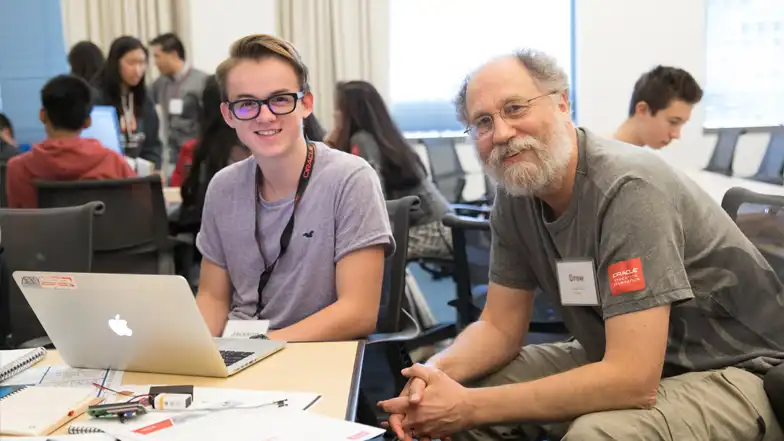
Every journey begins with curiosity, and Jackson’s path was no different. Starting at Design Tech High School, he discovered a passion for technology, problem-solving, and continuous learning. That dedication to learning and growth eventually opened the door to Oracle, where he now focuses on solving complex problems at scale.
Learn more about our impact
Follow us on social media
Photo credits: Oracle Giving hero image: National Geographic Pristine Seas. Our focus areas: 1. FIRST Robotics; 2. Project C.U.R.E.; 3. Dian Fossey Gorilla Fund; 4. The Veterans of Foreign Wars of the United States. Grant portfolio hero image: AkiraChix. Oracle Education Foundation class images: Rory Earnshaw; Jim Stone.