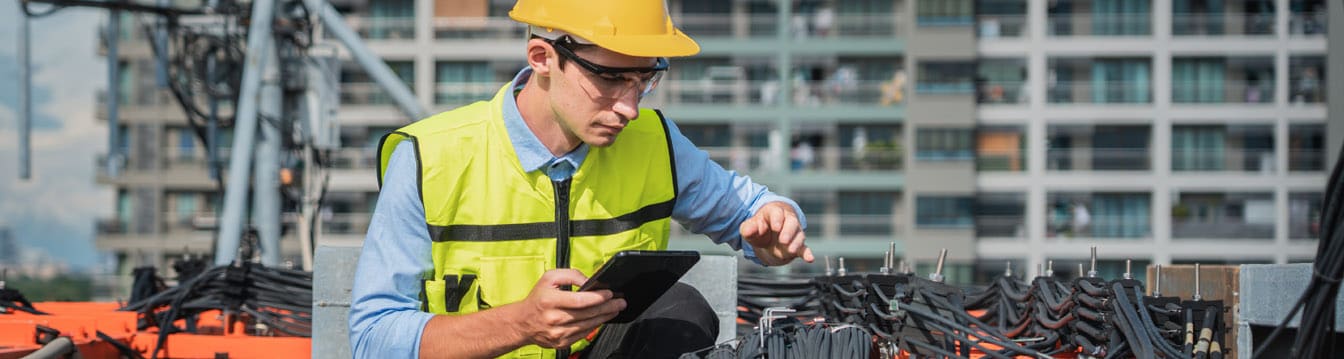
The infrastructures of energy and water utilities were once dominated by substations, water treatment plants, gas pipelines, and other physical assets. Now, smart meters, sensors, complex data networks, and other digital systems are also needed to deliver services safely and reliably. This shift has helped utilities improve efficiency and customer engagement, but it has also opened them up to cybersecurity threats. This article will explore the main challenges and threats that utilities face, as well as best practices for protecting their data and critical infrastructure.
What Is Utility Cybersecurity?
Utility cybersecurity is the technology and best practices that energy and water companies rely on to shield their grids, pipelines, control systems, business applications, and other digital assets from cyberattacks.
A strong cybersecurity program helps utilities keep their systems running smoothly, protect the integrity of control signals, safeguard customer and operational data, and build resilience so systems can bounce back quickly after an incident.
Key Takeaways
- Utilities focus their cybersecurity efforts on multiple fronts: applications for finance, supply chain management, HR, and customer relationship management, as well as operational systems that manage power plants, transmission and distribution networks, water treatment facilities, and pipelines.
- Ransomware and nation-state attacks are the most serious cyberthreats that utilities face—a successful attack can disrupt essential services for an entire region.
- Utilities should regularly provide employees with data security training tailored to their specific roles and develop incident response plans that are routinely tested and updated.
Utility Cybersecurity Explained
Utilities have become prime targets for both cybercriminals and nation-state actors. Ransomware gangs pursue quick financial gains while hostile governments aim to cause long-term disruptions. Common entry points for these attacks include compromised third-party vendors, vulnerable internet-accessible assets, social engineering tactics, and insider misuse of access privileges. The convergence of IT and operational technology (OT) networks has introduced new vulnerabilities, allowing attackers to move from finance, supply chain, and other business systems into control systems that manage electricity flow, water safety, and pipeline operations.
If a utility becomes the victim of a cyberattack, it can spell trouble for millions of people—think power outages, water shortages, environmental harm, and even water contamination. Cyberattacks such as ransomware, phishing, and supply chain breaches are becoming more sophisticated. Even organizations with strong defenses must continually update their strategies to protect against, detect, and respond to these evolving threats. Utilities are starting to look to cloud-based operational and business systems to enhance their cybersecurity, taking advantage of the ability to easily scale up security monitoring and backup capabilities during attack surges. Cloud platforms are increasingly incorporating AI-driven security features that can quickly identify unusual activities—including suspicious login attempts or malware attacks—much faster than legacy systems. Managing on-premises security across multiple locations can lead to inconsistencies since each site may handle updates and patches differently. In contrast, cloud-based security offers centralized management, allowing updates and patches to be applied uniformly and regularly across all sites.
Why Is Utility Cybersecurity Important?
Utility companies provide essential services—electricity, water, and gas—that we all depend on daily. A cyberattack on these systems isn’t just a technical problem. It can disrupt public safety, shake economic stability, and even threaten national security.
According to the US Environmental Protection Agency, the US has about 150,000 public water systems and 16,000 publicly owned wastewater systems, with 97% of these facilities serving 10,000 or fewer customers. Many of these utility operators face significant challenges in managing their critical infrastructure because of limited budgets and small IT or security teams. This situation can be overwhelming, especially when cyberattacks target both their IT and OT systems. The widespread use of third-party contractors, vendors, and suppliers introduces additional vulnerabilities.
In 2023 several government agencies released a cybersecurity advisory detailing attacks on global water and wastewater systems by an Iranian military organization. The attackers gained access to these facilities by exploiting internet-connected devices that still had default passwords, which should have been changed before the devices were brought online and shouldn’t have been directly connected to the internet. In these cases, the attackers seemed to be interested only in sending a political message. However, the breaches highlighted the potential for significant harm, as they could have been aimed at damaging OT systems that control pumps, turbines, and release valves—leading to fires, floods, or contamination.
Elsewhere, attacks on utilities’ billing, CRM, supply chain, and other business systems can expose the sensitive data of customers and partners, leading to fraud, identity theft, regulatory penalties, and diminished brand trust. Usage patterns in particular can pose big physical security risks by revealing when homes are typically unoccupied or businesses are unstaffed.
Challenges in Utility Cybersecurity
Utilities are considered high-value, high-impact targets, yet they’re often using out-of-date software in their operational networks, giving cyberattackers a ready means of entry. Below are the top cybersecurity challenges for utilities.
- Legacy infrastructure. Many utilities still operate on outdated infrastructure that lacks cybersecurity defenses, making them prime targets for cyberattacks. These legacy systems, often running on unsupported operating systems, are challenging to update and patch, leaving significant security gaps.
- IT-OT convergence. OT systems were once isolated, providing a natural defense against outside attacks. But as utilities integrate OT with IT systems—for example, for automated meter reading or to identify potential equipment failures—opportunities open for cyberattackers to enter OT systems through IT systems.
- Ransomware attacks. Ransomware has been around for decades. But over the past 15 years, these attacks have become more sophisticated and widespread. The rise of cryptocurrencies has made it easier for attackers to receive untraceable ransom payments. Utilities are particularly attractive targets because disrupting water and power services can have severe consequences for entire regions. Cyberattackers know that utilities will face immense pressure to restore operations quickly, making them more likely to pay ransoms. Additionally, many utilities still rely on outdated operational systems that lack the necessary defenses against increasingly sophisticated attacks.
- Insider threat. Disgruntled employees might intentionally sabotage systems, leak sensitive data, or introduce malware, while well-meaning staff can inadvertently cause a security breach by falling for phishing scams or mishandling sensitive information.
- Limited resources. Many utilities, especially those serving small, remote areas, operate with limited budgets and struggle to attract skilled IT and cybersecurity professionals. This often leads to understaffed security teams, insufficient funding for advanced security tools, and a reactive—rather than proactive—approach to cybersecurity.
- Regulatory compliance. Utilities are required to keep pace with evolving government data security regulations, which can take up time and resources. Meantime, those regulations often lag behind emerging threats and typically establish only minimum standards, potentially leaving gaps that cyberattackers can exploit.
- Real-time response needs. Utilities must swiftly address operational events, such as grid fluctuations, water pressure changes, and pipeline anomalies, while maintaining strong cybersecurity vigilance. For example, utilities can apply security tools that effectively segment their IT and OT systems so that attackers can’t enter IT systems (which typically are more lightly protected than OT systems) and then move into OT systems that house critical system controls and resources. Continuous monitoring and threat intelligence systems help utilities anticipate and quickly respond to potential attacks.
- The Internet of Things and smart grid exposure. With the widespread use of smart meters, communication nodes, grid sensors, remote-controlled power lines, and other IoT devices, cyberattackers have numerous entry points to steal data or cause physical damage.
- Data privacy risks. When it comes to collecting and storing vast amounts of customer and other data, utilities still aren’t in the same league as the largest social media, ecommerce, and financial services companies. But utilities are moving up those ranks with their adoption of smart meters, CRM applications, and other data-collecting systems, creating the challenge of keeping that data private. For example, smart meters collect detailed energy usage data that, if accessed by hackers, could reveal when residents are away, potentially increasing the risk of physical break-ins. Utilities that fail to protect this sensitive information jeopardize customer privacy and face potential regulatory violations, lawsuits, and damage to their reputation.
10 Top Utility Cybersecurity Threats
Utilities are increasingly vulnerable to cyberattacks due to the following:
- Ransomware attacks. In a ransomware attack, cybercriminals deploy malicious software to encrypt a network’s data, rendering it inaccessible until a ransom—often in cryptocurrency—is paid. Such attacks can be particularly devastating for utilities because they can lead to blackouts, water contamination, and pipeline shutdowns, all of which pose significant threats to public safety.
- Phishing and social engineering. Utility employees can inadvertently endanger network systems by falling for phishing attacks and other forms of social engineering, which involve manipulating individuals into divulging confidential information or performing actions that give bad actors access to proprietary systems and data.
- Insider threats (malicious or negligent). Insider threats are a big concern for utilities because many employees have privileged access to critical systems that can’t be easily taken offline. Malicious insiders, such as disgruntled staff, may intentionally misuse this access by deleting data, altering control settings, or damaging equipment. Additionally, negligent insiders can inadvertently compromise security by falling for phishing attempts (see threat No. 2 above) or accidentally misconfiguring systems during maintenance or upgrades, creating vulnerabilities that attackers might exploit.
- Supply chain vulnerabilitie. Utilities rely on a complex network of suppliers—including software developers, smart device manufacturers, control system vendors, infrastructure maintenance contractors, and billing companies—each potentially serving as an entry point for cyberattacks. Research in 2024 by SecurityScorecard and KPMG found that 45% of industry security breaches came through third-party vendors. Additionally, research published by DNV Cyber found that only about half of critical infrastructure professionals surveyed were confident that their organization had good visibility into its supply chain vulnerabilities.
- Unpatched software and legacy systems. Many utilities rely on legacy systems that operate on outdated or unsupported software. Once attackers discover a security vulnerability, utilities may have no way to fix it quickly.
- Distributed denial-of-service (DDoS) attack. A DDoS attack involves overwhelming a utility’s network with excessive traffic, disrupting operations, and diverting the attention of security teams. By targeting customer portals, billing systems, or even OT entry points, these attacks can incapacitate servers or networks, leading to service outages. Such attacks may serve as acts of malicious vandalism or as diversions to mask more sophisticated intrusions aimed at gaining something of value from the targeted organization.
- Advanced persistent threats (APTs). APTs are sophisticated cyberattacks where intruders gain unauthorized access to a system and remain undetected for an extended period—sometimes months or even years. Their primary goal is to maintain prolonged access to sensitive data and systems. APTs are often orchestrated by organized crime syndicates, terrorist groups, or nation-states with motives such as espionage, sabotage, or social disruption.
- Compromised third-party access. Utilities heavily rely on IT vendors, suppliers, and contractors for system implementations, maintenance, and updates. This dependence introduces additional avenues for cyberattackers to infiltrate networked systems, as it’s often easier to breach a less secure partner than to attack the utility directly.
- IoT and smart grid vulnerabilities. As utilities integrate sensors and smart devices into their infrastructure, they inadvertently expand the number of potential entry points for cyberattacks without necessarily upgrading the underlying cybersecurity. Attackers can take advantage of this broadened attack environment to enter at a weak spot.
- Data breaches and unauthorized access. Data breaches and unauthorized access present significant challenges for utilities, which must safeguard sensitive customer information and the critical networks controlling physical infrastructure. Even when quickly contained, a single breach can erode consumer confidence, raise utility insurance premiums, and invite increased regulatory scrutiny.
10 Utility Cybersecurity Best Practices
Cybersecurity is a multifaceted challenge, and utility leaders can’t address it in isolation. Effective strategies must integrate technology, employee training, regulatory compliance, and strategic partnerships with technology vendors and government agencies. Here are 10 best practices to enhance cybersecurity for utilities:
- Implement a multilayered security architecture. At a basic level, multilayered security entails implementing firewalls and intrusion detection/prevention systems to protect the perimeter; gateways to protect the boundaries between IT and OT systems; micro-segmentation within OT networks to isolate critical assets, such as generation-control and distribution-control systems; and endpoint security to help prevent attackers from entering via unprotected, unpatched applications.
- Segment IT and OT networks. Narrowing the multilayered approach described above to one layer, utilities can restrict attackers’ movements between IT and OT networks, thereby minimizing damage to critical assets. This involves creating distinct zones withing the network, each with specific access controls. For instance, IT networks should be segmented to limit direct internet access, while OT networks should have dedicated segments with limited access to critical assets. Critical devices—such as those controlling power generators, transmission pipelines, or water treatment pumps—should be isolated from public internet connections. If remote access is needed, it should be facilitated through secure, private connections.
- Operational and Technical Issues. Most banks also need to tackle systems integration challenges, since data stored in mainframes and other legacy systems isn’t usually ready for processing by AI. Banks also struggle with keeping sufficiently high-quality data on their customers, particularly longtime ones whose history may be partially stored in nonstandard formats and taken from pen-and-paper forms, according to consultancy McKinsey & Company.
- Regularly update and patch systems. Utilities should maintain a complete inventory of all digital assets, both on-premises and in the cloud, and have a program for ensuring that all systems (applications, databases, and operating systems) are up to date and configured properly, and that security patches are applied in a timely fashion.
- Use strong authentication and access controls. Require multifactor authentication for all remote access to resources. Even better, incorporate biometric authentication methods whenever possible. Implement role-based access controls so that staff have only the minimum levels of privilege necessary to perform their duties. Organizations can also employ a just-in-time access strategy, which grants users temporary, time-limited access to individual systems and data when necessary.
- Conduct continuous monitoring and threat detection. Establishing 24/7 security operation centers or outsourcing detection and response functions helps utilities identify threats before they can disrupt systems and networks. OT system security tools can detect data breaches and anomalies without introducing latency or interrupting critical operations. AI can enhance these capabilities by analyzing real-time data to identify suspicious patterns and anomalies, as well as by examining historical attack data and threat intelligence to predict potential future attacks.
- Provide employee cybersecurity training. Train all staff members to identify phishing attempts and other suspicious activities, and make sure they understand the importance of securing personal devices. It’s crucial to establish clear, accessible channels for staff to report incidents promptly, before attacks can spread.
- Develop and test incident response plans. Incident response plans should cover both IT and OT systems, including legacy systems that may lack built-in security controls. These plans should define what counts as an incident—for example, malware, phishing attempts, ransomware, and insider errors—and assign a clear chain of command to determine who can disconnect or shut down systems, contact regulators, and engage law enforcement when necessary. Test these plans through drills or discussion-based simulations.
- Encrypt sensitive data in transit and at rest. Utilities must identify their most sensitive data, especially operational and customer data, and encrypt it. Implementing encryption protocols for data both in transit and at rest is a fundamental security best practice.
- Perform regular risk assessments and audits. Utilities should allocate their data security resources based on the potential impact of a breach and schedule regular security audits to assess cyberthreat detection levels. These audits should include assessments of policies and governance procedures; regular checks of firewalls, intrusion detection systems, access controls, and data encryption processes; and vulnerability scans to identify potential weaknesses. Regular appraisals of incident response plans should be done. This type of appraisal includes operational drills and team discussions aimed at simulating different types of cyberattacks. Because third-party risks can also be high, many companies use vendor risk assessments, including surveys, audits, and penetration tests, to evaluate the security status of software providers, contractors, and equipment manufacturers.
- Collaborate with industry and government partners. Collaborating with industry peers and government partners has become a crucial strategy for utilities in addressing cyberthreats. Utilities can join national or regional exercises that simulate large-scale cyberattacks in order to test their response plans, communication protocols, and team member capabilities. Utilities can collaborate with technology vendors, federal law enforcement agencies, and educational institutions to identify and test emerging solutions, such as zero-trust security models and AI-powered security monitoring. Utilities should also consider participating in industry-specific data sharing organizations, such as the Electricity Information Sharing and Analysis Center (E-ISAC) and the WaterISAC, to get a broader view of real-time threat intelligence, vulnerabilities, and incident reports.
Improve Security and Resilience with Oracle Cloud
In today’s digital landscape, utilities face unique security challenges that require specialized solutions. Oracle Utilities offers applications specifically designed to help meet these needs, providing robust security features tailored for utilities. Built on Oracle Cloud Infrastructure, these solutions incorporate advanced security capabilities, including AI. Leveraging Oracle’s expertise helps utilities operate securely, respond quickly to potential threats, and maintain the trust of the communities they serve.
Read our guide to utility cybersecurity
Learn how Oracle can help safeguard mission-critical energy and water facilities.
Utility Cybersecurity FAQs
What is the No. 1 cybersecurity threat facing companies today?
Determining the most significant cybersecurity threat is difficult. Among the most common and potentially dangerous are malware threats, such as ransomware and viruses, as well as social engineering threats, such as phishing and baiting (whereby scammers make false promises to intended victims).
What is a major cybersecurity threat to power grids?
A major cybersecurity threat to power grids involves attacks on the systems that manage electricity generation, transmission, and distribution. Such attacks could lead to widespread blackouts, disrupting critical infrastructure, public safety, and economic stability.