

Planet
Building for a sustainable future
At Oracle, we’re committed to building a more sustainable future and empowering our employees and customers to do the same.
A message from our chief sustainability officer

Oracle is committed to being a responsible provider of AI technology that accelerates discovery, improves services, and solves complex challenges. We believe that as we grow, so does our responsibility to protect natural resources, reduce our environmental impact, and build lasting relationships with the communities that make our work possible.
Progress to date
I’m pleased to report that in 2025, working across our company and with our partners, we met key goals for electricity sourcing, water and waste reduction, and supplier sustainability. In 2026, we built on that progress by setting new goals that reflect our changing environmental footprint and the stakeholder expectations that come with rapid AI expansion. This report outlines our progress, our commitments, and the work ahead.
Our climate commitments remain firm as we grow. Some of these are listed below:
- Reducing carbon emissions throughout our value chain, targeting a 20% reduction in total emissions per megawatt of IT capacity by 2030
- Matching electricity used at our custom AI data centers with 100% carbon-free electricity by 2035
- Reaching net-zero emissions across our value chain by 2050
Because AI expansion will raise near-term energy use and emissions, we’re focused on improving efficiency, procuring cleaner electricity, advancing climate innovation, and reporting transparently.
Our strategy and impact
Our strategy begins with expertise and partnerships that guide how we build, manage resources, and invest in communities. We work with utility companies and partners to find the right energy solutions for each site, and we’re committed to paying for the energy infrastructure our projects require so other utility customers don’t bear those costs. This includes more than 1.7 GW of wind energy in Texas and an active request to source 2 GW of carbon-free electricity in New Mexico.
We evaluate local water conditions during site planning and prioritize land and natural habitat conservation as part of campus development. In addition to using closed-loop cooling systems that recirculate water, we’ve also made a US$50 million commitment to improve local water systems in southern New Mexico, and we’ve worked with our development partner in Michigan to preserve more than 75% of the site’s 1,000-plus acres as farmland, wetland, woodland, and open space.
We also support research to find new ways to reduce emissions. In New Mexico, we’re offering up to US$1 million to study whether carbon dioxide from Project Jupiter’s fuel cells could be captured and permanently stored. We’re also using our Oracle Cloud, applications, and AI to test and accelerate the development of new solutions. We’ve partnered with Wild Bio to research crop resilience and carbon removal, with plans to support field trials using Oracle Cloud and IoT technologies. We believe that funding efforts like these will show how better data and faster insights can support climate innovation.
These investments are part of our long-term commitment to the communities where we build. Beyond the near-term construction jobs our AI infrastructure projects create, we continue to work with local schools and workforce partners to help residents access the jobs that follow. We believe local communities should share in the value our growth creates.
We know that building trust depends on transparency. As our projects evolve, we intend to measure results, share what we learn, and respond to community concerns.
Looking ahead
AI may run in the cloud, but its infrastructure is built in real communities, on real grids, and within real ecosystems. That makes transparency about our choices on energy, water, land, and local partnership more important than ever. We are committed to making those choices deliberately, measuring the results, and adjusting as we learn. We thank our customers, employees, partners, and communities for helping us advance this work.
Together, we are building digital infrastructure that is as resilient and responsible as it is innovative.
Sincerely,
Scott Twaddle, Senior Vice President and Chief Sustainability Officer, Oracle
Our commitment
We take a holistic approach to sustainability, setting goals that address key environmental topics throughout our operations, supply chain, and the communities where we operate. We are proud to have reached milestones such as reducing landfill waste and water use and powering our offices and public cloud data centers with 100% carbon-free electricity.
We remain committed to achieving net zero emissions by 2050 and halving emissions by 2030 relative to a 2020 baseline. To build on our progress, we’ve set new interim goals to drive greater impact and accountability across our business and plan to report progress against these sustainability goals annually starting with our FY27 report.
Sustainability goals
-

20%reduction of carbon emissions per megawatt of IT capacity by 2030, relative to a 2020 baseline
-

100%carbon-free electricity for our Oracle Custom AI Data Centers by 2035
-

50%reduction of water use in water-stressed regions by 2035, relative to a 2025 baseline
-

90%diversion or avoidance of landfill waste by 2035
Operations
As our business grows, we continually refine how we manage our environmental impacts. Our initiatives focus on climate action, waste reduction and circularity, and the responsible stewardship of natural resources such as water, air, and biodiversity. We approach these efforts holistically, emphasizing accountability and transparent reporting of challenges, opportunities, and progress.

Climate and clean air
We have set science-aligned emissions reduction targets, recognized by the Exponential Roadmap Initiative, an accredited partner of the UN Race to Zero campaign. We’re committed to achieving net-zero emissions across our value chain by 2050, against a 2020 baseline. For Oracle, “net-zero” means reducing Scope 1, 2, and 3 emissions by at least 90% and neutralizing any remaining emissions with verified, high-quality removals.
We rigorously track and publicly report our progress annually, with third-party assurance in alignment with the Greenhouse Gas Protocol, as detailed in our Environmental and Social Impact Datasheet (PDF).
Waste reduction and circularity
We view waste reduction and circularity as essential to building a sustainable business. As we grow and evolve, our responsibility to use resources efficiently increases. Our waste strategy emphasizes innovation, efficiency, and transparency across all operations—including offices, data centers, manufacturing, product design, and end-of-life hardware.
By embedding circularity throughout our value chain, we maximize resource value, reduce our environmental impact, and help drive sustainable practices across our industry.
Water and biodiversity
Water and healthy ecosystems are essential to both our operations and life on Earth. Climate change and human activity increasingly threaten clean water access and biodiversity. We are committed to minimizing our impact—especially in water-scarce and ecologically sensitive regions—by continually pursuing balanced, sustainable approaches to energy and water use while protecting natural habitats locally and globally.
Supply chain
We know that our purchasing decisions can have a significant social and environmental impact. Our Sustainable Procurement Statement (PDF) affirms our ambition to incorporate sustainability into our procurement processes.
-
100%of our key tier 1 and tier 2 suppliers have an environmental program in place by the end of CY2025
-
100%of our key tier 1 and tier 2 suppliers have emissions reduction targets in place as of the end of CY2025
-
65Responsible Business Alliance audits were conducted in FY26
How we drive a sustainable supply chain
Strategic supplier engagement
We engage with indirect and direct suppliers to report on their carbon, water, and waste footprints, and we work with our key suppliers to enable alignment and identify new opportunities to reduce our environmental impact.
Educating suppliers
We educate our suppliers about our goals and expectations as we transition to a low-carbon economy as part of our net-zero goal.
Assessing and minimizing risk
We use standard platforms to better understand potential risk within our supply chain and improve procurement practices.
Monitoring and compliance
We manage, monitor, and audit our direct hardware supply chain internationally as part of our Responsible Business Alliance (RBA) membership. In fiscal year 2026, 65 audits based on the RBA Code of Conduct were completed for our tier 1 direct hardware supplier factory locations to ensure compliance.
Green logistics and eco-friendly transportation
We work closely with our logistics partners to minimize shipments, maximize consolidation, and select sustainable modes of transportation, including lower-emission options such as bio-liquefied natural gas.
Eco-friendly travel
We collaborate with our travel partners to reduce emissions from flights, encourage the use of public transportation, and promote lodging venues that integrate sustainability into their operations.
Customer solutions
We are uniquely positioned to help customers reduce their environmental footprint. Our clean cloud provides a sustainable alternative to traditional on-premises infrastructure, and our broad technology suite enables customers to measure, manage, and report on environmental impacts and integrate sustainability into their business.
Clean cloud
Worldwide, we’re embedding sustainability across our enterprise and delivering innovative cloud technology to accelerate meaningful change for our customers and our planet. Oracle Cloud Infrastructure (OCI) is a high-performance, clean cloud solution that runs on carbon-free electricity and IT infrastructure that we continuously optimize for circularity.
Attributes of our clean cloud
Carbon-free electricity
Our multifaceted energy strategy includes a range of contract mechanisms and technologies, including renewable power purchase agreements (both direct and virtual), onsite renewable and carbon-free generation, use of renewable energy credits, and diversification with other clean energy sources. We also work closely with our colocation suppliers to improve data transparency and drive renewable energy adoption. These considerations are part of our selection process for new suppliers and factor into our engagements with existing suppliers.

Efficient and dynamic
OCI offers a more sustainable alternative for companies looking to minimize their environmental impact by providing a high-density computing environment that yields enormous economies of scale and optimizes energy usage. OCI provides an elastic computing platform that can grow dynamically with an organization, reducing the need to build excess capacity to meet future demand. Our data centers follow best practices for cooling and energy management.

Circular
We apply a lifecycle approach to OCI server and hardware products, beginning with design assessments for circularity attributes such as dematerialization, serviceability, and recyclability. Advanced energy management and cooling technologies help extend product longevity in operation. To reduce waste, we prioritize remanufacturing, partner with third-party recyclers, and responsibly dispose of only what cannot be repurposed.

Product sustainability
In addition to the benefits of a clean cloud, our hardware customers can extend the life of their equipment and reduce waste through our many take-back programs, which harvest, test, and offer remanufactured spare parts to our hardware customers.
We empower our customers with advanced climate tools to support emissions allocation and visibility, including the OCI Customer Carbon Emissions tool, enabling organizations to measure, report, and manage the carbon footprint of their Oracle Cloud workloads from their console.
We include sustainability features in Oracle Fusion Cloud EPM and offer Oracle Fusion Cloud Sustainability (PDF) and a climate change analytics service, all of which support customers’ ability to measure, analyze, and report emissions.
Customer success gallery
Our customers are using our data-driven technology solutions to accelerate meaningful innovation across industries. From promoting ethical supply chain transparency for minerals sourcing to using machine learning to realize larger crop yields, our offerings are advancing efforts to address climate change and the world’s most pressing sustainability challenges.
OCI services help NIBIO improve sustainable forest management
The Norwegian forestry research organization is using Oracle Autonomous AI Database and AI on Oracle Cloud Infrastructure to better understand the forest value chain and improve long-term sustainability.
Keep Sea Blue tackles marine plastic pollution with Oracle Blockchain
Keep Sea Blue relies on Oracle Blockchain Platform to help it track the journey of plastic waste recovered from areas around the Mediterranean. Once plastic is collected, it’s tracked and traced as it moves to recycling facilities and is eventually remade into new packaging products.
SailGP lowers its carbon footprint with OCI
SailGP is striving to run all its race operations on clean energy. The league relies on OCI to help it track energy use and to let technologists operate systems remotely so fewer people need to travel to competitions.
DigiFarm creates a sustainable future for agriculture and achieves 30% cost savings with OCI
After evaluating several vendors, DigiFarm selected OCI to develop its precision agriculture platform because OCI’s bare metal graphic processor units are vital to the kind of machine learning it requires.

Communities
Environmental stewardship isn’t just a commitment; it’s a collaboration that unites our employees, partners, and communities. We give back through environmental philanthropy, hands-on volunteering, and investing in the communities that surround our offices and data centers. We’re proud to leverage our resources—financial, technological, and human—to foster thriving ecosystems and resilient communities, making a lasting difference together for people and the planet.


Custom AI data centers: Investing in communities, powering the future
Our custom AI data centers are powering American leadership and transforming how communities can grow and thrive. At every location where we’re developing an AI data center, we engage at the community level to share information, listen to local perspectives, and support responsible development. Each AI data center is designed with the surrounding community’s future in mind. Through local hiring, community investments, partnerships with schools and workforce programs, and environmental stewardship, we’re committed to being a good neighbor.
Our impact
At Oracle, we’re working to reduce the environmental impact of our data centers, while supporting the communities where we operate. Investments in carbon-free electricity, carbon capture research, and climate-resilient agriculture are just some of the ways we’re pursuing more responsible growth.
-
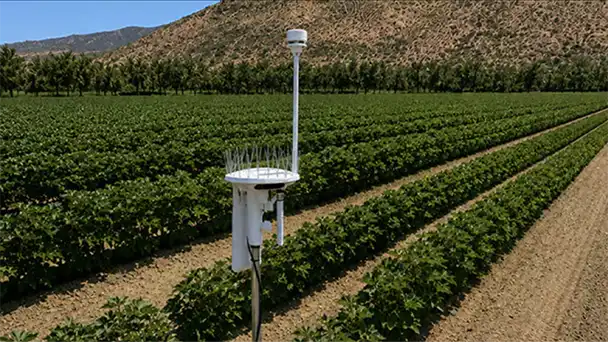
Conserving water in New Mexico
We’re partnering with Arable and local growers to use field sensors to make irrigation more precise in the Rio Grande-Bravo watershed. The initiative aims to conserve approximately 21 million gallons of water each year, more than Project Jupiter is expected to use.
Read the story -
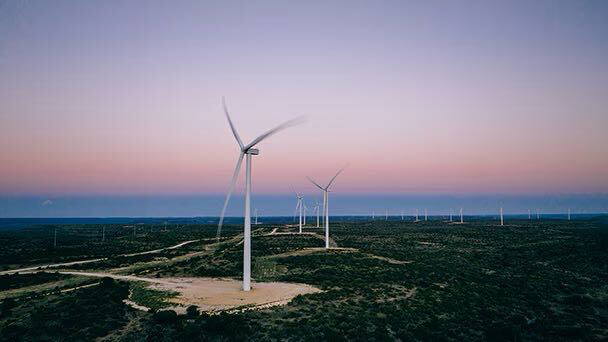
Investing in carbon-free power in Texas
We’re advancing our clean electricity goals by investing in Texas wind projects that will deliver more than 1.7 gigawatts of carbon-free electricity to the grid serving our Abilene AI data center. Its annual generation is expected to power the equivalent of more than 525,000 U.S. homes.
Read the story -
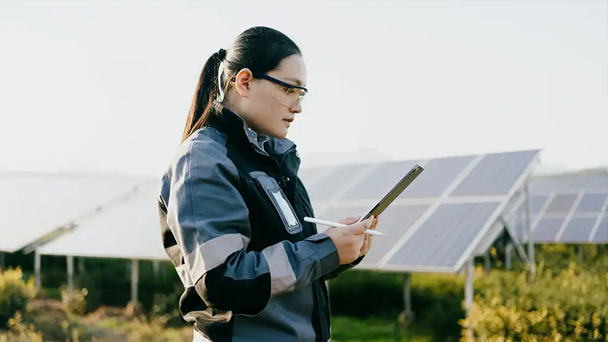
Creating economic impact in Wisconsin
Project Lighthouse in Port Washington is expected to create over 4,000 construction jobs and support 1,000 ongoing jobs. The project includes $175 million in water, wastewater, and power infrastructure upgrades, plans for clean energy, wetland restoration, and cooling technology to reduce water use.
Read the story
Oracle Giving
We invest in the health of our planet by caring for the environments where we live and operate. Through our philanthropy, we safeguard biodiversity, restore land, protect fresh water, support the creation of marine protected areas, conserve wildlife, fund environmental science education for kids, and help communities build more sustainable, low-waste futures.
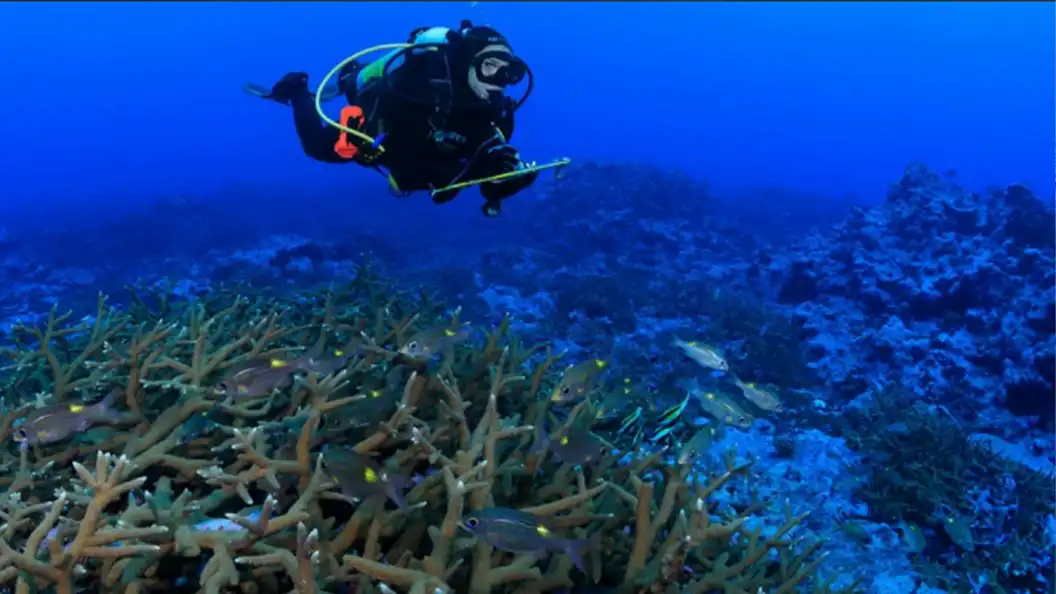
Our environmental grants
Closing orphaned wells
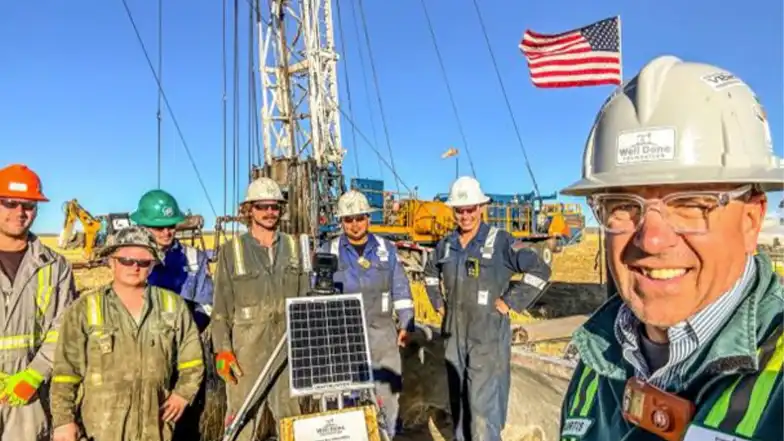
We’re proud to support the Well Done Foundation and its work to cap orphaned and abandoned oil and gas wells—one of the largest sources of methane emissions. In fiscal year 2026, our support is helping plug high-priority wells in New Mexico, preventing the release of harmful greenhouse gases and advancing the state’s Climate Action Plan. This work will avoid more than 60,000 metric tons of CO₂e emissions while also supporting the assessment of additional wells for future mitigation. Our grant also invests in local talent, creating pathways for community members to be trained and certified to support this critical work.
Protecting endangered mountain gorillas
For more than 35 years, Oracle has partnered with the Dian Fossey Gorilla Fund to help protect mountain gorillas and their habitats in Africa. Our lasting commitment supports the study and protection of the world’s remaining mountain gorilla population in the Virunga Mountains, including on-the-ground protection of gorillas in Rwanda’s Volcanoes National Park, community education programs reaching more than 14,000 households annually, and training for the next generation of Rwandan scientists and conservation leaders. Oracle’s technology support also helps power one of the world’s longest-running wildlife research efforts. Since 2014, more than 50 years of Fossey Fund field data has been hosted in Oracle Cloud Infrastructure, enabling researchers to turn decades of observations into insights that inform conservation, park management, and scientific discovery.

Establishing marine-protected reserves
For more than 15 years, Oracle has supported National Geographic Pristine Seas and its mission to explore, document, and protect some of the world’s most vital marine ecosystems. To date, Pristine Seas expeditions have helped inspire the creation of 31 marine reserves spanning more than 6.9 million square kilometers. Upcoming expeditions will encompass key regions across the Pacific, including the Marshall Islands, Solomon Islands, Samoa, Tokelau, Fiji, Vanuatu, and Tuvalu, while also supporting educational initiatives that inspire ocean stewardship. These expeditions deepen partnerships with local scientists, nongovernmental organizations, and government leaders, building momentum for the long-term protection and management of critical marine ecosystems that benefit both wildlife and coastal communities.

Protecting the environments we call home
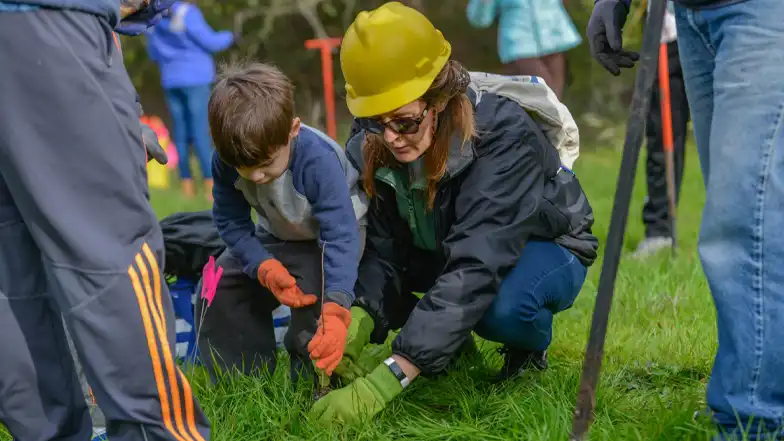
From safeguarding drinking water sources in Central Texas to restoring urban waterways in Nashville, Oracle supports environmental organizations working to strengthen the health and resilience of the communities where we live and work. In Austin, work with TreeFolks supports the Central Texas Floodplain Reforestation Program, which will plant 35,000 saplings across 75 acres of public and private land within the FEMA-designated 100-year floodplain. And, in Nashville, support for the Cumberland River Compact is advancing restoration efforts along Browns Creek, an urban waterway near Oracle’s campus, helping improve water quality, expand habitat, and create healthier outdoor spaces for the community.
Advancing community-based recycling in Lagos
Creating healthier communities starts with practical solutions that benefit both people and the environment. Through support for Wecyclers, Oracle is helping expand access to recycling services in low-income neighborhoods across Lagos, Nigeria, where formal waste collection systems are often unavailable. Our grant supports Wecyclers’ rewards-for-recycling program, which enables community members to exchange recyclable waste for points that can be redeemed for essential goods such as food and household items. Oracle funding also supports public awareness campaigns focused on waste reduction and recycling. In the past year alone, Wecyclers diverted 4,000 tons of waste from landfill, helping to improve environmental health while creating economic value for local communities.

Oracle Volunteering
Grounded in action
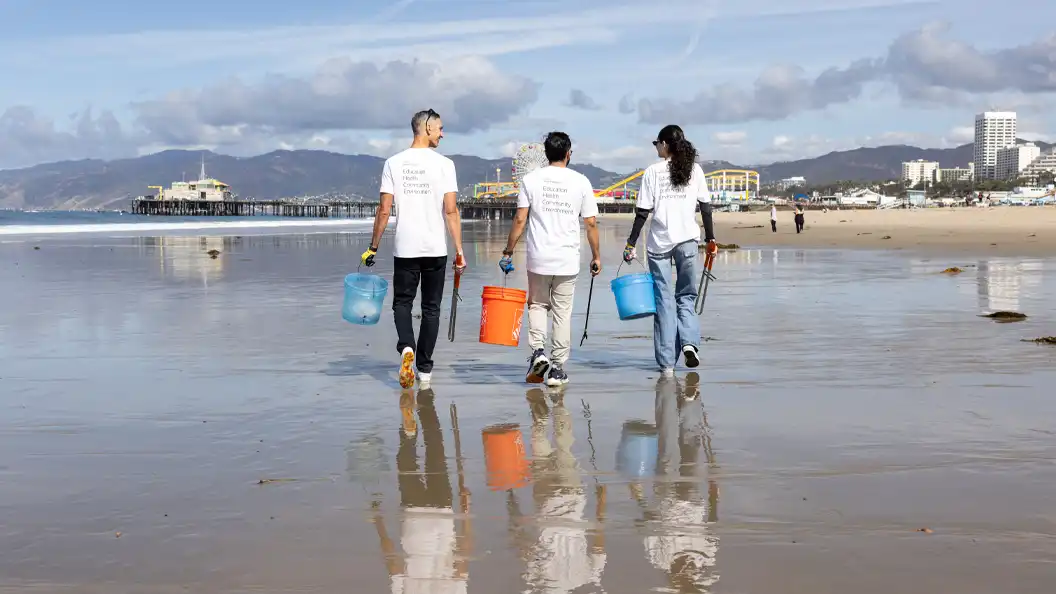
Earth is more than our home—it’s our responsibility. Oracle Volunteers show up year-round to care for it in real, tangible ways. They restore native habitats, plant trees, clean beaches and waterways, and support environmental education that reaches future generations. Through their actions, they don’t just make a difference—they inspire it.
Our impact
Supporting native ecosystems in Nashville
For our Earth Day activity in Nashville, Oracle Volunteers teamed up with TennGreen Land Conservancy and Harmony Wildlife Rehabilitation, a local nonprofit that cares for injured and orphaned native wildlife. Together, they removed invasive plants, including species such as tree-of-heaven, bush honeysuckle, and privet. These non-native plants can outcompete native species for space, light, water, and nutrients, disrupting the balance of the surrounding forest habitat. Removing them helps make room for native plants and supports Tennessee’s biodiversity. They also planted a pollinator garden and built perch boxes for wildlife, creating resources for native species while supporting Harmony’s rehabilitation and release efforts. Together, these hands-on activities helped restore habitat and advance TennGreen’s ongoing conservation work in Middle Tennessee.
Conserving green spaces in Latin America
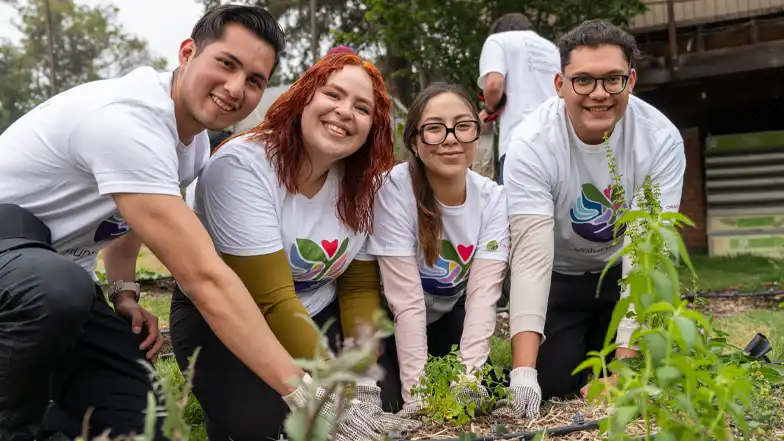
In the heart of Mexico City, the Tarango Urban Garden is a protected natural area full of green spaces that provide an important refuge for local biodiversity, help improve air quality, and absorb rainwater so it can filter back into the soil rather than run off city streets. Together with Manos a la Tierra, Oracle Volunteers spent the day caring for this valuable ecosystem. They cleared weeds to help the garden’s plants thrive, prepared compost to enrich the soil, and created a plant nursery that will nurture seedlings for future reforestation efforts. Each activity plays a role in the garden’s long-term health: healthier soil supports stronger plant life, new seedlings can help restore green spaces, and thriving urban ecosystems create benefits for wildlife and the people who live nearby.
Creating useful goods through upcycling in India
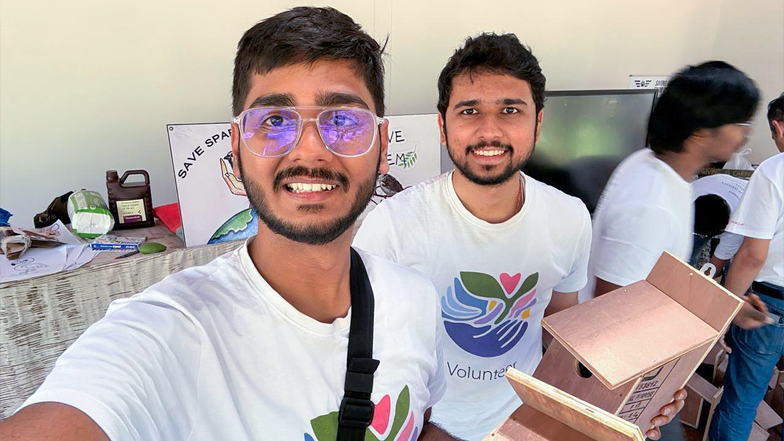
In India, volunteers regularly partner with Seva Charitable Trust to support circular-economy efforts that reduce waste, extend the life of materials, and encourage more sustainable communities. Volunteers set up stalls showcasing recycled products made in partnership with women from the local community and shared practical ideas for growing indoor plants, herbs, and kitchen gardens in recycled plastic bottles. They also transformed scrap fabric into handmade quilts, using sewing and design skills to create functional, eco-friendly quilts for tribal children in SGNP, Borivali. Through these activities, volunteers supported both environmental awareness and Seva’s work with approximately 500 children in the surrounding villages.
Harvesting forage for giraffes in Kansas City
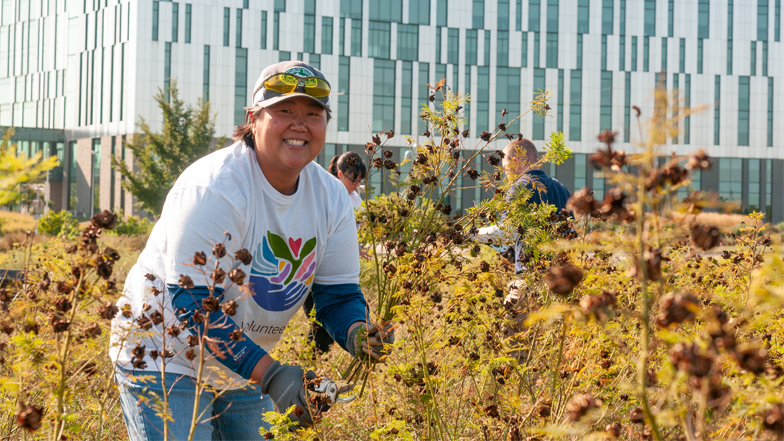
In Kansas City, Oracle Volunteers partnered with the Kansas City Zoo & Aquarium’s African Savannah Team to harvest prairie bundleflower from Oracle’s own KC Innovation campus. This native plant is an important part of the Zoo’s giraffes’ diet and is closely related to acacia plants found in their natural African habitat. Volunteers cut and loaded bundleflower into Zoo trucks, helping the team bank important food supplies for the winter months. This hands-on effort put a locally growing native plant to purposeful use, supporting animal wellbeing while connecting Oracle’s campus to conservation and care at the Zoo.
Renewing heritage sites in the United Kingdom
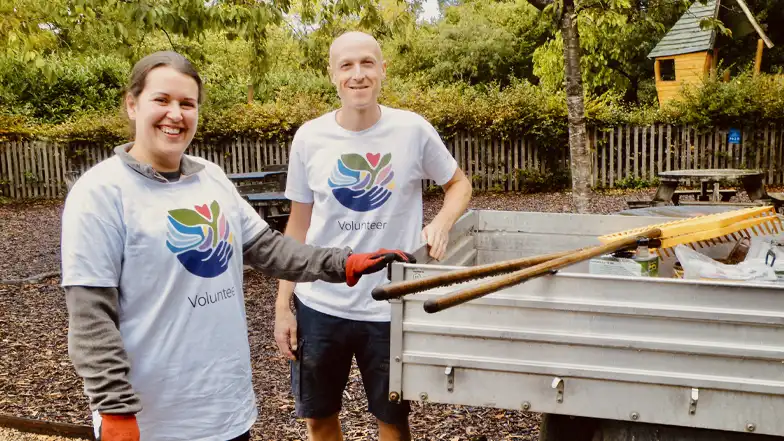
At National Trust Cliveden, Oracle Volunteers helped care for an estate encompassing 80 acres of formal gardens and 300 acres of woodland. From the Parterre overlooking the River Thames to the colorful Long Garden and its distinctive topiary, Cliveden’s landscapes have been shaped by more than 300 years of history and design. With nearly half a million visitors each year, the estate’s miles of woodland paths, steps, and shared spaces need ongoing care to remain safe, accessible, and welcoming. Volunteers cleared debris from pathways, clipped laurel, tended plant beds, maintained the play area, and restored benches and tables for visitors to enjoy. Their hands-on work helped preserve Cliveden as a living landscape—one that connects people with historic gardens, woodland, and the life that continues to thrive there.

Learn more about our impact
Follow us on social media
Photo credits: Oracle Giving hero image: National Geographic Pristine Seas; Environmental grants: 1. Well Done Foundation; 2. Dian Fossey Gorilla Fund; 3. National Geographic Pristine Seas; 4. TreeFolks; 5. WeCyclers.